

Introduction – Understanding the Core Differences
When it comes to holistic movement practices, yoga and qigong are two of the most respected and widely practiced systems in the world. While they both combine movement, breath, and mindfulness, their origins, techniques, and energetic focuses are quite different.
- Yoga, developed in ancient India, is centered around unifying the mind, body, and spirit through a blend of asanas (postures), pranayama (breath control), and meditation. It aims to bring about self-awareness, flexibility, and spiritual insight.
- Qigong, which originates from ancient China, is based on cultivating qi (life energy) through coordinated flowing movements, breath regulation, and meditative intent. The goal is to balance energy within the body and align it with the rhythms of nature.
Both practices offer stress relief, physical conditioning, and mental clarity, but the way they approach these goals is distinctly unique. This guide will help you understand those differences so you can choose the practice that aligns best with your body, lifestyle, and wellness goals.
If you’re also comparing other movement systems like Tai Chi, this comparison will provide further clarity between energy-centered flow and structured stillness.
Origins and Philosophical Foundations
Yoga: Path to Inner Union
Yoga’s roots date back over 5,000 years to ancient Indian spiritual traditions, including Hinduism, Buddhism, and Jainism. It’s built on the idea of transcending the ego and achieving moksha (liberation) through self-discipline and inner awareness.
Central texts like the Yoga Sutras of Patanjali and the Bhagavad Gita describe yoga not just as a physical activity, but as a philosophical lifestyle. These teachings inform not only movement practices but also ethical principles (yamas and niyamas), dietary choices, and meditation. You can learn more in our deep dive into yoga philosophy and traditions.
Qigong: Cultivating Vital Life Force
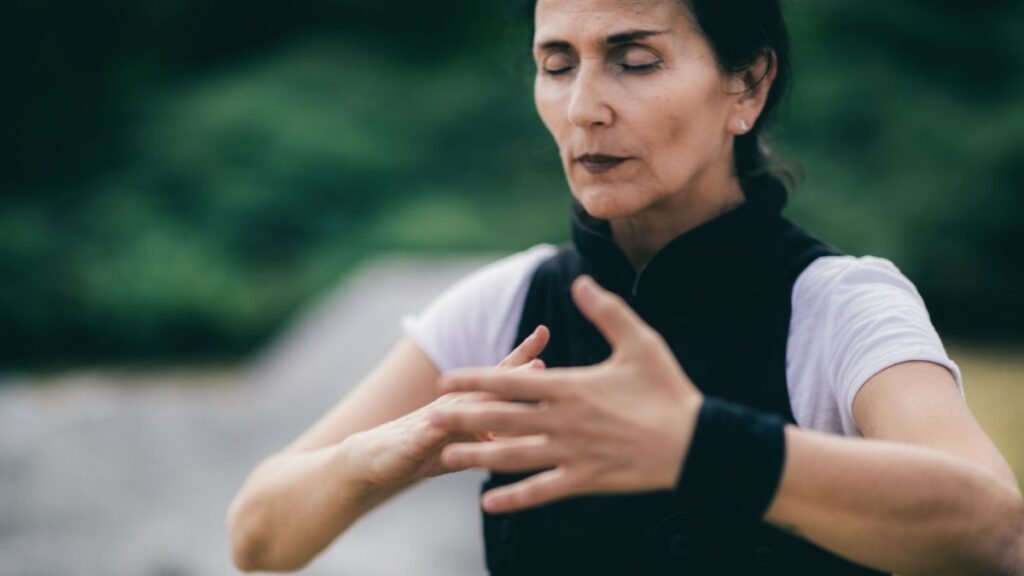
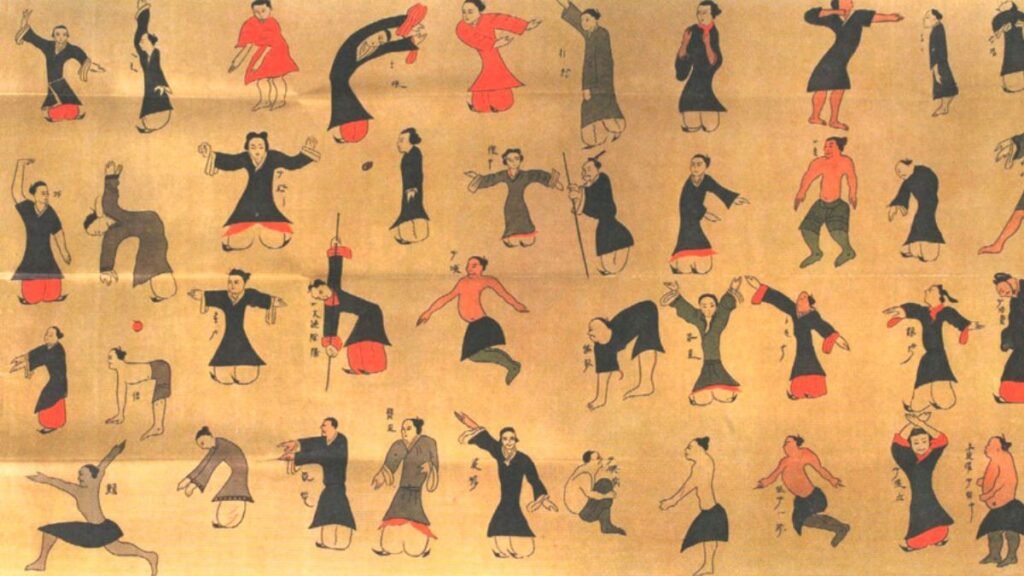
Qigong (氣功) is a foundational practice within Taoist, Confucian, and Chinese medical systems, dating back more than 4,000 years. The word “qi” means vital life energy, while “gong” refers to skill or cultivation. Together, qigong means “energy work” or “mastery of energy.”
It focuses on synchronizing body movements with breath and intent to stimulate energy flow through the body’s meridians, similar to how acupuncture or herbal medicine works in Traditional Chinese Medicine (TCM). Philosophically, it’s rooted in balance with nature, aligning the practitioner’s internal rhythms with the external world.
Physical Practices and Techniques
Yoga: Structured Postures and Breath Control
Yoga classes typically involve a sequence of postures (asanas)—sometimes held statically, sometimes linked in dynamic flows like Vinyasa. These are complemented by pranayama (breath techniques) and often end in guided meditation or shavasana (corpse pose).
Different styles of yoga—from Hatha to Yin, from hot to restorative—allow for wide variation in intensity, pace, and focus. Breath and body alignment are key in all forms, and many use props or adapt poses for therapeutic goals.
Yoga tends to prioritize:
- Strength, flexibility, and mobility
- Nervous system regulation
- Mindfulness and self-inquiry through stillness
Qigong: Meditative Movement in Flow
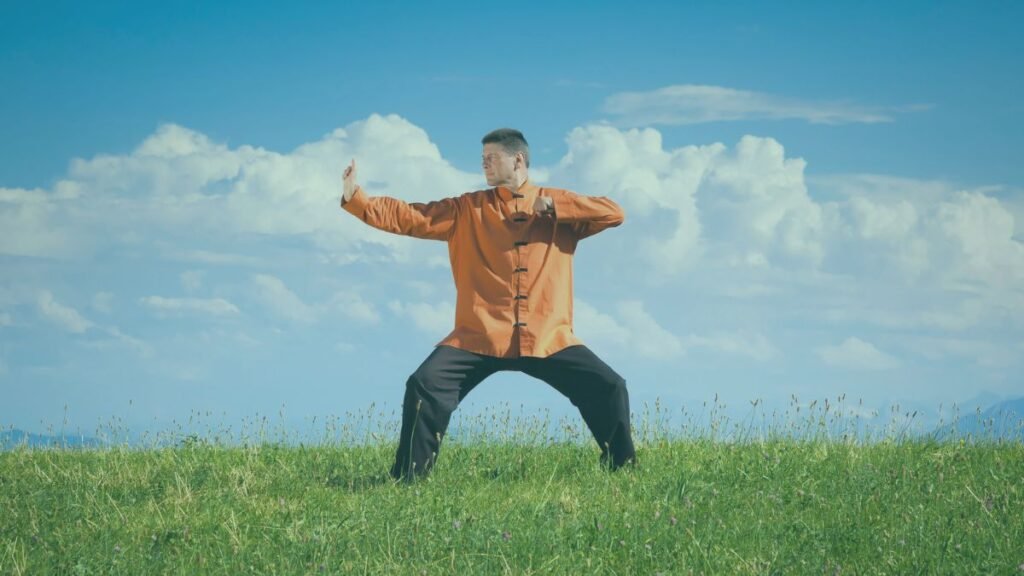
In contrast, qigong is a gentle, flowing practice that uses continuous, rhythmic movement, often in repetitive loops. Movements are generally performed standing and may resemble slow-motion martial arts or dance. Breath is coordinated with each motion, and the intention behind the movement is just as important as the movement itself.
Unlike yoga, qigong avoids static postures and instead emphasizes energy flow, making it especially gentle on joints. It’s ideal for individuals looking for low-impact movement with meditative benefits, similar in appeal to those who find comfort in chair yoga or somatic movement.
Health Benefits Comparison
While both yoga and qigong aim to enhance physical, mental, and energetic well-being, they do so through different physiological mechanisms and movement styles.
Shared Benefits
Both practices are known to:
- Improve balance and flexibility, which supports mobility and reduces the risk of falls
- Reduce stress and promote mental clarity by calming the nervous system and engaging the breath
Incorporating either practice into a regular routine can lead to lower cortisol levels, better emotional regulation, and improved quality of sleep, benefits especially amplified in yoga for stress relief.
Yoga-Specific Benefits
Yoga’s strength lies in:
- Building muscular strength and posture, especially through standing asanas and core engagement
- Enhancing flexibility with long-held stretches that target deep connective tissues
This makes yoga especially appealing to those looking to balance flexibility with stability, such as in yin or hatha-based practices. Over time, these benefits can support spinal health, reduce back pain, and improve functional movement patterns.
Qigong-Specific Benefits
Qigong focuses on internal regulation through movement and breath:
- Boosts energy flow (qi) and vitality, promoting sustained energy throughout the day
- Supports joint health and cardiovascular endurance through low-impact, continuous motion
These traits make qigong particularly effective for people dealing with fatigue, chronic illness, or joint sensitivity. It serves a similar role to somatic yoga or walking yoga in providing an energy-centered path to healing without strain.
Suitability for Different Populations
Both yoga and qigong are accessible, but each serves different needs depending on physical condition and personal goals.
Yoga: Broad Adaptability Across Ages and Abilities
Yoga can be:
- Modified for seniors, beginners, or injury recovery using props or chair-based formats
- Scaled for athletes and advanced practitioners seeking challenge and depth
- Integrated with meditative or philosophical elements for holistic self-development
You can explore age-friendly practices like yoga for healthy aging or more therapeutic options depending on need.
Qigong: Ideal for Gentle, Energy-Based Support
Qigong is particularly suited to:
- Older adults or those with chronic health issues, due to its low physical demand
- People recovering from fatigue, burnout, or autoimmune disorders
- Those drawn to natural rhythms and energetic medicine
Unlike yoga, which sometimes involves floor transitions or joint-loading poses, qigong is performed upright and typically doesn’t require strong flexibility or stamina.
Accessibility and Equipment
Yoga: Some Tools Required for Practice
A basic yoga session typically involves:
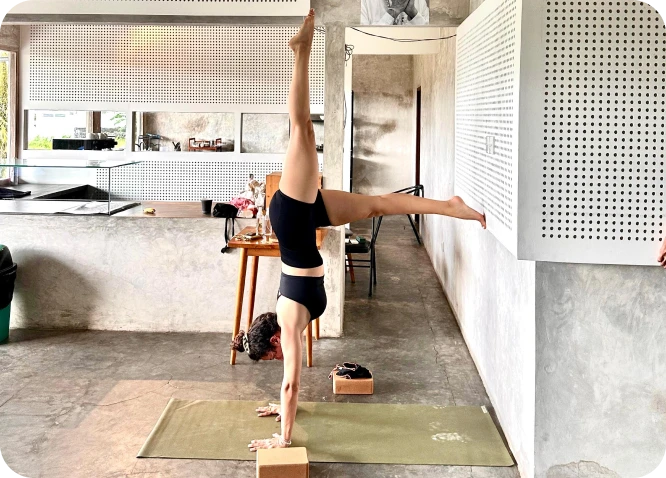
- A non-slip mat
- Optional accessories like blocks, straps, bolsters, or cushions
These props help support alignment and allow practitioners to modify poses for safety and comfort, especially useful in restorative or prenatal yoga settings.
Qigong: Equipment-Free and Portable
Qigong is one of the most equipment-free movement systems available. You don’t need:
- A mat
- Props
- Special clothing
- Or even much space
You can practice qigong in your living room, a small park, or a quiet office corner, making it an excellent option for those with limited access to traditional fitness spaces.
Combining Yoga and Qigong
Though yoga and qigong come from different lineages, they share a profound focus on breath, awareness, and energy regulation, making them ideal companions in a holistic movement routine.
Complementary Strengths
- Yoga builds muscular strength, flexibility, and inner resilience through structured postures and deeper holds
- Qigong enhances fluidity, balance, and energetic awareness through gentle, rhythmic movement
Together, they create a balance between activation and relaxation, stability and flow, and outer strength and inner vitality. Practicing yoga in the morning and qigong in the evening, for example, can provide a complete mind-body cycle that keeps energy grounded and circulating.
This integrative model is especially powerful for those also exploring somatic techniques, nervous system work, or mindfulness-based yoga for emotional balance.
Choosing Yoga? Start with Joga Yoga
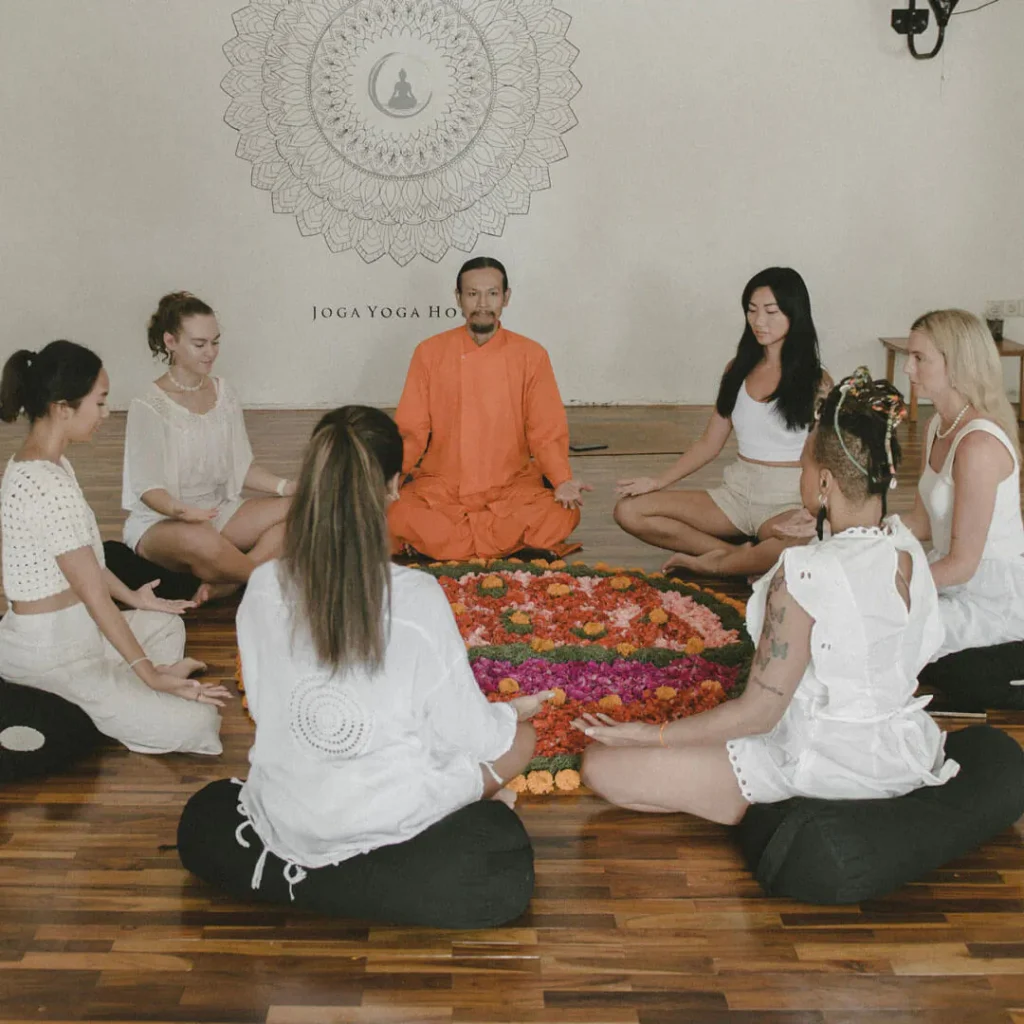
If you’re leaning toward yoga as your foundation, Joga Yoga’s 200-hour Teacher Training in Bali offers a comprehensive, globally recognized starting point.
Why Choose Joga Yoga?
- Inclusive and beginner-friendly: No experience required—just curiosity and commitment
- Multi-style training: Explore Hatha, Vinyasa, Yin, and Restorative practices
- Expert global faculty: Learn from teachers with diverse backgrounds and lineages
- Immersive location: Train in serene Bali, surrounded by nature and spiritual culture
Whether you’re pursuing personal growth, seeking stress relief, or envisioning yourself as a teacher, Joga Yoga helps you build a solid foundation in a deeply supportive environment.
👉 Learn more about the 200-hour yoga teacher training program and take the first step toward transformation.
Conclusion – Making the Right Choice
Yoga and qigong both offer life-changing tools for wellness, resilience, and inner connection, but the paths they take are distinct:
- Yoga leans into strength, flexibility, and stillness
- Qigong flows with softness, energy awareness, and natural movement
Choosing between them—or combining both—comes down to your body’s needs, your personal pace, and your inner goals.
If you crave structured postures, philosophical depth, or teacher training, yoga may be your path. If you’re drawn to gentle flow, energetic balance, and low-impact healing, qigong offers powerful support.
Or better yet: embrace both, and create a practice that honors the best of both worlds.