


Written by Joseph Berridge, Founder of Joga Yoga
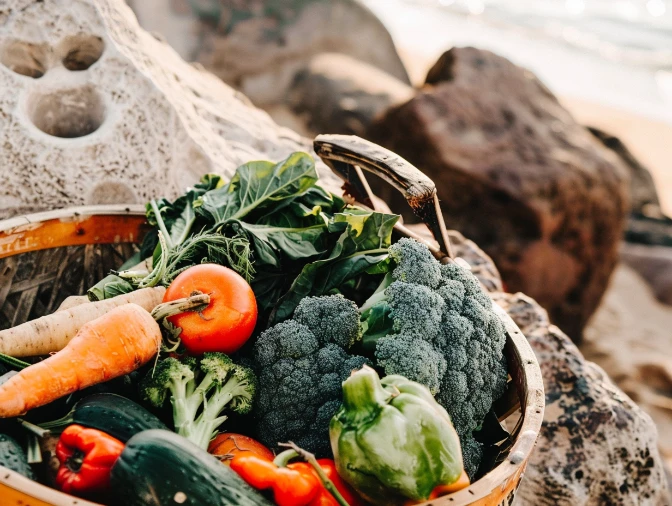
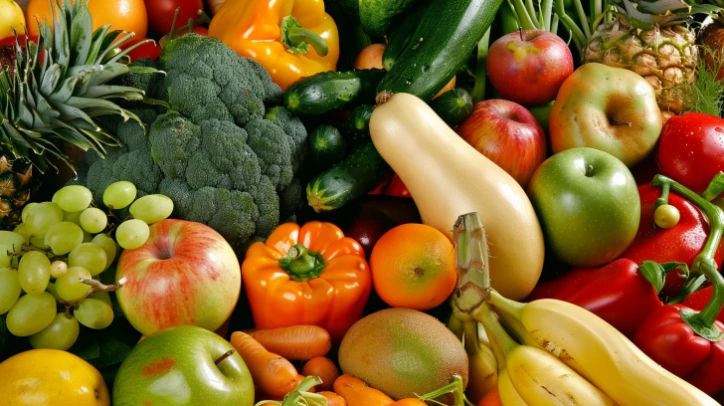
A yoga diet is simple, mostly vegetarian food eaten in moderate amounts. Yoga tradition groups food as sattvic (light and nourishing), rajasic (stimulating) and tamasic (heavy), and recommends eating mostly sattvic food: vegetables, fruit, whole grains, legumes, nuts and seeds, ideally a few hours before practice.
What is a yoga diet?
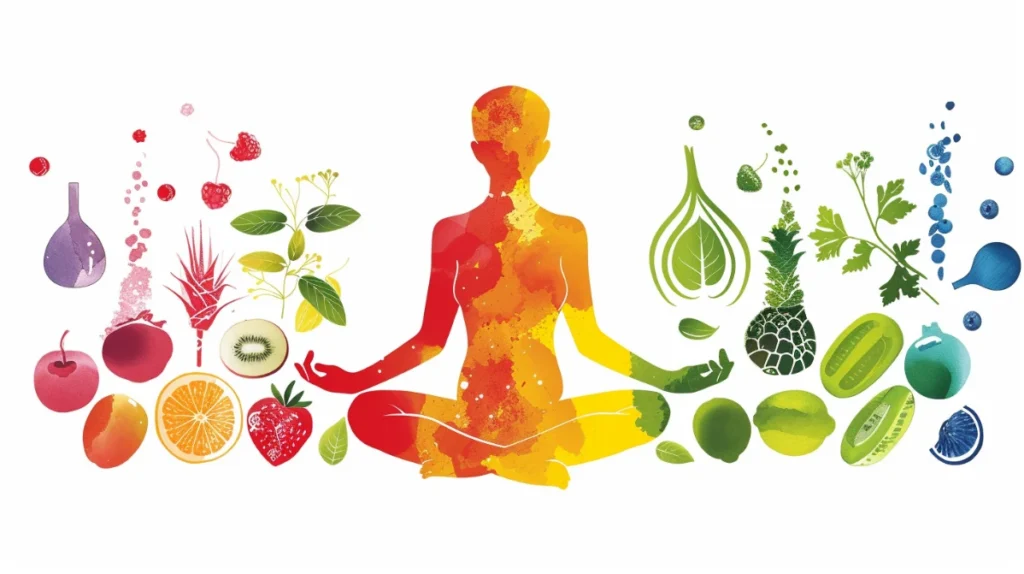
A yoga diet is less a set of rules than a way of eating that supports practice. The idea goes back to classical texts. The Bhagavad Gita groups food by its effect on body and mind, and the Hatha Yoga Pradipika recommends mitahara, which means moderate eating: enough to nourish you, but not so much that you feel heavy.
In practice, most traditional yoga schools eat simple vegetarian food that is freshly cooked and easy to digest. The ethical side comes from ahimsa, non-harming, the first of the yamas. Our guide to the yamas and niyamas explains where it sits in yoga philosophy.
You do not need to change everything at once to eat this way. Most people start by eating more whole plant foods, cooking at home more often and paying attention to how different meals feel during practice.
Sattvic, rajasic and tamasic foods
Yoga and Ayurveda sort food into three groups, based on the three gunas, or qualities. A 2015 conceptual review on yoga and eating behaviour in the NIH’s PubMed Central database summarises this three-way grouping. The traditional advice is to eat mostly sattvic food.
| Group | Quality | Typical examples |
|---|---|---|
| Sattvic | Light, fresh and nourishing | Fresh fruit and vegetables, whole grains, legumes, nuts, seeds, and in many traditions milk and ghee |
| Rajasic | Stimulating | Coffee, strong spices, very salty or fried food, eating in a rush |
| Tamasic | Heavy or dulling | Stale or reheated leftovers, heavily processed food, alcohol, overeating |
For a full list of sattvic foods and how a sattvic meal plan works, see our guide to sattvic food.
What yogis eat: foods to favour and foods to limit
| Eat more often | Eat less often |
|---|---|
| Seasonal vegetables and fruit | Fried and heavily processed food |
| Whole grains such as rice, oats and millet | Refined sugar and sweets |
| Lentils, beans, chickpeas and tofu | Alcohol |
| Nuts and seeds | Large amounts of coffee |
| Herbs and gentle spices such as ginger, cumin and turmeric | Very spicy or very salty meals |
| Water and herbal tea | Food that has been sitting for a long time |
How strictly you follow this is personal. The traditional view of meat, eggs, onion and garlic varies between schools, and many practitioners today eat a flexible version of this list.
When to eat around your yoga practice
Timing matters as much as what you eat. Most yoga teachers advise practising on an empty or nearly empty stomach, because twists, forward folds and inversions are uncomfortable on a full one.
A common guideline is to leave two to three hours after a full meal before practice. If you are hungry closer to class, a small snack such as a banana or a handful of nuts about an hour before is usually fine. Drink water through the day rather than a lot at once just before you start. After practice, eat a normal balanced meal once you feel ready.
Hot yoga changes this a little, because you lose more fluid. Our guide on what to eat before hot yoga covers that case.
A sample one-day yoga diet chart
This is one example of a simple day of mostly sattvic eating for someone who practises in the morning. It is a starting point, not a prescription. Adjust the amounts to your appetite and activity.
| Time | Meal | Example |
|---|---|---|
| On waking | Drink | A glass of warm water or herbal tea |
| After morning practice | Breakfast | Oats or rice porridge with fruit, nuts and seeds |
| Midday | Lunch, the main meal | Dal or a bean stew with rice or flatbread and cooked vegetables |
| Afternoon | Snack | Fresh fruit or a small handful of nuts |
| Early evening | Dinner, lighter | Vegetable soup or a simple stir-fry with tofu or lentils |
Many yoga traditions make lunch the largest meal and keep dinner light and early. If you practise in the evening instead, move the larger meal earlier so you still have a gap before class.
Does a yoga diet have to be vegetarian or vegan?
Traditionally, yoga diets are vegetarian, and many include dairy. Some modern practitioners eat fully plant-based, while others include fish or meat and focus on the moderate, fresh-food side of the tradition. The right choice depends on your values and your health.
If you cut out animal foods entirely, plan your diet with care, because some nutrients, such as vitamin B12, are harder to get from plants alone. If you have a health condition or are unsure what you need, speak to a doctor or a registered dietitian before making big changes.
How food works at Joga Yoga
During the 200-hour yoga teacher training in Canggu, the course page lists plant-based breakfasts and lunches as part of the programme. The daily schedule also includes study blocks on philosophy, anatomy and Ayurveda, so students learn the reasoning behind the yoga diet as well as eating it.
If you want to explore the ideas further, our yoga philosophy guide covers the texts behind them.
Frequently asked questions
What does a yoga diet consist of?
A yoga diet is mostly fresh, simple, vegetarian food eaten in moderate amounts: vegetables, fruit, whole grains, legumes, nuts and seeds. It limits heavily processed food, alcohol and very stimulating food, following the traditional sattvic, rajasic and tamasic grouping.
What do yogis eat for breakfast?
Common choices are oats or rice porridge with fruit, nuts and seeds, fresh fruit, or a light cooked grain dish. Many people practise first and eat breakfast afterwards.
Should you do yoga on an empty stomach?
Most teachers recommend an empty or nearly empty stomach. A common guideline is two to three hours after a full meal, or about an hour after a small snack.
What is the best diet for yoga?
There is no single best diet, but the traditional choice is a mostly sattvic one: fresh, whole, plant-based food eaten in moderation. The best version for you is one you can keep up that leaves you feeling light and steady during practice.
Learn yoga philosophy and practice in Bali
Joga Yoga’s 200-hour teacher training in Canggu includes plant-based breakfasts and lunches, daily practice, and study of philosophy, anatomy and Ayurveda.
Register for teacher training