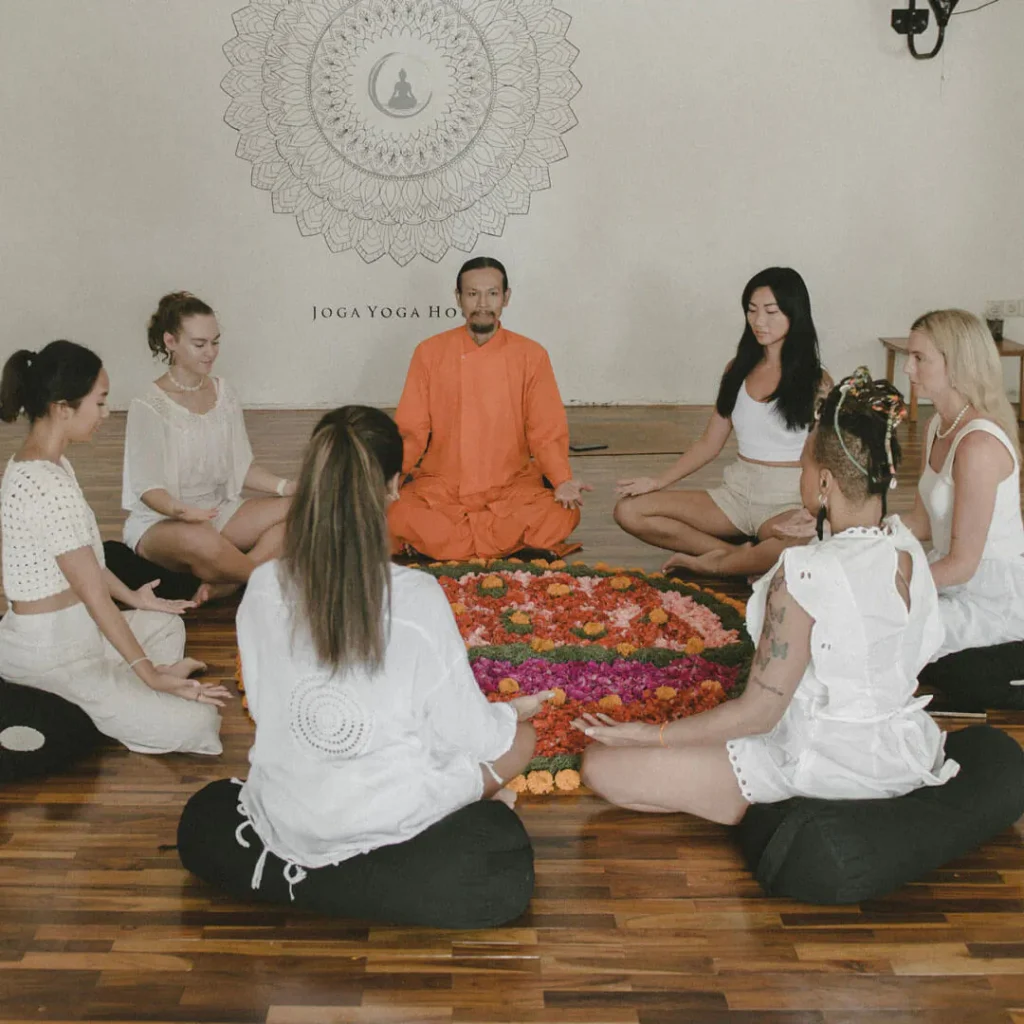




Teaching yoga is a meaningful responsibility that goes far beyond demonstrating poses. A yoga teacher guides students through physical movement, breath awareness, and mental focus while creating a space that feels safe, supportive, and inclusive.
For many practitioners, teaching yoga is a natural next step after years of personal practice. However, becoming a yoga teacher requires more than passion. It involves developing teaching skills, understanding student needs, and learning how to hold space for others in a thoughtful and professional way. This is why yoga teacher training exists, to prepare practitioners for the real responsibilities of teaching.
Teaching Yoga Is More Than Guiding Postures
While yoga postures are a visible part of every class, teaching yoga is not simply about showing poses. A yoga teacher must understand how to guide students safely through movement while adapting to different bodies, abilities, and experience levels.
Effective yoga teaching includes:
- Structuring a balanced and accessible class
- Offering clear verbal cues and demonstrations
- Observing students and adjusting instruction when needed
- Supporting breath awareness and mindful movement
Teaching yoga also means managing the energy of the room, pacing the class appropriately, and creating a learning environment where students feel comfortable exploring their practice. These skills are developed through education, practice teaching, and real-time feedback, not through personal practice alone.
Building the Foundation: Your Personal Practice as a Teacher
A consistent personal yoga practice is the foundation of confident and authentic teaching. Through personal practice, teachers gain first-hand experience of how poses feel, how breath changes with effort, and how the mind responds to challenge and rest.
Your personal practice helps you:
- Teach from experience rather than memorization
- Develop empathy for students at different levels
- Understand limitations, sensations, and transitions
- Maintain authenticity and confidence while teaching
Yoga teacher training programs emphasize personal practice because it directly influences teaching quality. Students often notice that teachers who maintain a strong personal practice are better able to explain postures, offer modifications, and respond calmly to challenges during class.
Creating a Safe and Inclusive Yoga Class
One of the most important responsibilities of teaching yoga is creating a safe and inclusive class environment. Every yoga class includes students with different bodies, backgrounds, injuries, and goals. A yoga teacher must be prepared to support this diversity.
Creating a safe yoga class involves:
- Offering modifications and alternatives for poses
- Avoiding assumptions about flexibility, strength, or experience
- Using inclusive and respectful language
- Respecting physical and emotional boundaries
Inclusivity also means understanding that yoga is not only physical. Students may come to class carrying stress, anxiety, or emotional tension. Teaching with awareness and compassion helps create a space where students feel supported rather than pressured.
These skills are typically developed through structured yoga teacher training, where teachers learn how to adapt classes, communicate clearly, and respond responsibly to real-life teaching situations.
Presence, Observation, and Teaching Awareness
Presence is one of the most important skills a yoga teacher can develop. Teaching awareness allows a teacher to notice what is happening in the room and respond appropriately in real time.
A present yoga teacher can:
- Observe students’ alignment and movement patterns
- Notice signs of discomfort, fatigue, or confusion
- Adjust pacing and intensity during class
- Respond calmly to unexpected situations
Teaching awareness develops through experience, not theory alone. Practicing in real classrooms, receiving feedback, and observing experienced teachers helps future instructors learn how to stay grounded while guiding others. This is one reason in-person yoga teacher training plays such a key role in preparing teachers for real teaching environments.
Communication Skills Every Yoga Teacher Must Develop
Clear communication is essential for safe and effective yoga teaching. The way instructions are delivered directly affects how students move, breathe, and experience the class.
Yoga teachers use several types of communication, including:
- Verbal cues that explain movement and alignment
- Breath cues that support rhythm and focus
- Visual demonstrations for clarity
- Tone, pacing, and timing of instruction
Learning how to communicate effectively takes practice. Teachers must learn when to speak, when to pause, and how to offer guidance without overwhelming students. This balance improves class flow and helps students feel confident and supported.
Communication skills are a core focus of yoga teacher training because they cannot be mastered through observation alone. Feedback from teachers and peers helps refine clarity, confidence, and teaching presence.
Understanding Students: Bodies, Energy, and Experience Levels
Every yoga student enters the class with a different body, energy level, and background. An effective yoga teacher learns how to recognize these differences and adapt their teaching accordingly.
Understanding students includes:
- Teaching mixed-level classes
- Offering regressions and progressions
- Recognizing physical limitations or injuries
- Supporting nervous system regulation and rest
Teachers must also learn to read the overall energy of the room. Some classes need grounding and slow movement, while others benefit from strength and challenge. Developing this sensitivity allows teachers to create balanced and appropriate classes for a wide range of students.
These observational and adaptive skills are typically developed during structured yoga teacher training, where teachers gain supervised teaching experience and learn how to respond responsibly to real student needs.
Using Music, Silence, and Space Intentionally
Music, silence, and physical space all shape the experience of a yoga class. Used intentionally, they can support focus, calm the nervous system, and help students feel more connected to their practice.
Music can help guide rhythm and energy, but it should never distract from breath or movement. Silence is equally important. Quiet moments allow students to listen inward, integrate sensations, and rest their attention. Knowing when to use sound and when to step back is a skill that develops with experience and awareness.
Physical space also plays a role. A yoga teacher must consider how students are positioned in the room, how they move between poses, and how adjustments or demonstrations are offered without disrupting others. Learning to work with space helps classes feel organized, calm, and safe rather than chaotic.
These elements are often overlooked by new teachers, yet they have a strong impact on how supported and present students feel during class.
The Responsibility of Teaching Yoga
Teaching yoga carries responsibility. Students trust their teacher with their bodies, breath, and attention. This means that yoga teachers must approach their role with care, humility, and ongoing commitment to learning.
Responsibility in teaching yoga includes:
- Prioritizing student safety over performance
- Offering options rather than pressure
- Respecting physical and emotional boundaries
- Teaching within the limits of one’s training
A yoga teacher is not expected to have all the answers, but they are expected to act ethically and responsibly. Understanding this responsibility helps teachers make thoughtful decisions in class and recognize when to seek further education or support.
This awareness is a key part of becoming a professional yoga teacher rather than simply leading classes.
Why These Skills Are Best Learned in In-Person Yoga Teacher Training
Many of the skills involved in teaching yoga cannot be fully developed through reading or online study alone. Presence, observation, communication, and adaptability are best learned through real teaching experience.
In-person yoga teacher training allows students to:
- Practice teaching in live classroom settings
- Receive immediate feedback from experienced teachers
- Observe how students respond to cues and adjustments
- Learn hands-on alignment and consent-based assists
This type of learning builds confidence and competence in ways that self-paced or remote programs often cannot. For this reason, many aspiring teachers choose immersive programs such as in-person yoga teacher training in Bali to fully prepare for teaching.
For those beginning their journey, a structured pathway like the 200-hour yoga teacher training provides the foundational skills needed to teach safely and professionally:
Understanding these teaching responsibilities also helps practitioners decide whether teaching yoga is the right next step in their journey.
Frequently Asked Questions About Teaching Yoga
Do I need to be advanced at yoga to teach?
No. Being an effective yoga teacher is not about performing advanced postures. Teaching yoga requires clear communication, awareness, and the ability to guide students safely. Many successful teachers focus on accessibility and clarity rather than physical complexity.
Can I teach yoga without completing yoga teacher training?
While it is possible to guide informal classes, most studios and employers require formal yoga teacher training. Certification ensures that teachers understand anatomy, safety, sequencing, and ethical responsibility.
Is yoga teacher training only for people who want to teach?
No. Many people join yoga teacher training to deepen their personal practice, understand yoga philosophy, or experience personal growth. Teaching is a common outcome, but not the only reason to train.
What skills do yoga teacher training programs focus on?
Yoga teacher training typically focuses on teaching methodology, communication, alignment, anatomy, sequencing, and class management. These skills help teachers guide students confidently and safely.
Is in-person yoga teacher training better than online training?
In-person training allows for real-time feedback, hands-on learning, and supervised teaching practice. For many students, this leads to greater confidence and preparedness when teaching real classes.
How long does it take to become a yoga teacher?
Most foundational certifications begin with a 200-hour yoga teacher training. The length depends on the format, but immersive in-person programs often provide faster skill development through daily practice and teaching experience.