


What Is Kundalini Energy
Kundalini energy is a concept from yoga and Tantra that describes a form of inner life energy. It is believed to exist within every person. This energy supports awareness, growth, and deep transformation when it becomes active.
Simple definition of Kundalini
Kundalini is described as a powerful inner energy that rests quietly at the base of the spine. When it becomes active, it can move upward through the body and influence the mind and awareness.
Where the concept comes from
The idea of Kundalini comes from ancient Indian yoga and Tantric traditions. It appears in early spiritual texts that focus on meditation, self study, and inner discipline. These traditions explain how human awareness can grow through careful practice.
Why Kundalini is described as dormant energy
Kundalini is often called dormant because it is usually inactive in daily life. Most people use only a small amount of their inner awareness. Kundalini represents unused potential that can awaken slowly through practices like yoga, breath awareness, and meditation.
Difference between energy and symbolism
Kundalini energy is not a physical force that can be measured like electricity. It is a way to describe inner experience, awareness, and change. Symbols are used to help explain this energy, but the energy itself is about personal growth, not a physical object.
Meaning of Kundalini in Yoga and Tantra
Yoga and Tantra explain Kundalini in a calm and structured way. The goal is not excitement or extreme experiences. The goal is balance, clarity, and steady awareness.
Origin of the word Kundalini
The word Kundalini comes from Sanskrit. It is linked to the idea of something that is coiled or resting in a circular form. This describes energy that is present but not active.
What coiled means in yogic language
In yoga, coiled does not mean trapped or dangerous. It means stored. Just like a seed holds a tree inside it, Kundalini is said to hold inner potential that can grow over time.
How traditional texts explain it
Traditional yogic texts describe Kundalini as Shakti, the creative force of life. This force rests quietly until the body and mind are ready. When it rises, it supports higher awareness and self understanding.
Why it is not a physical snake
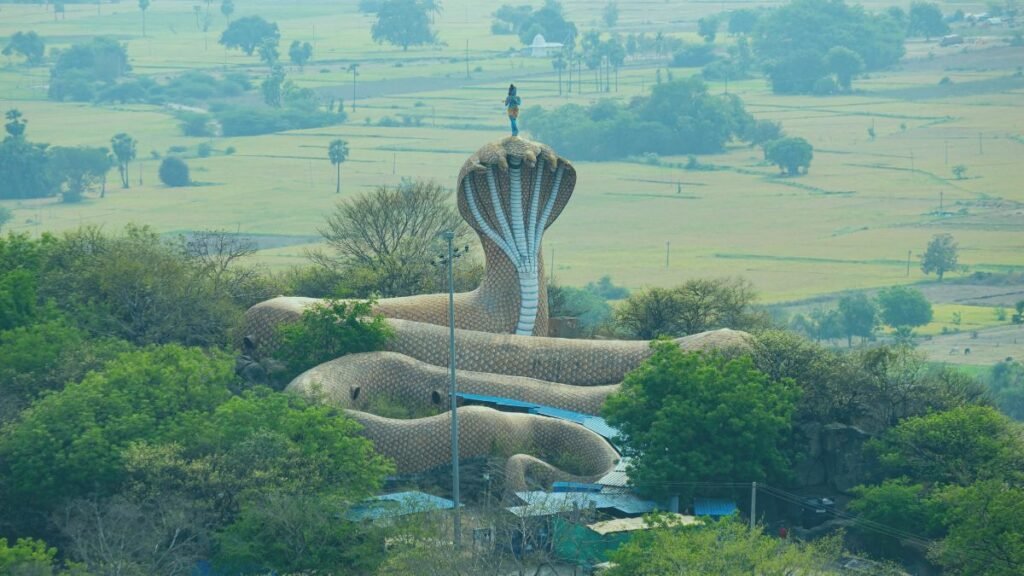
Kundalini is never described as a real animal in classical yoga texts. The snake image is used only as a symbol. It helps explain movement, power, and transformation in a simple way.
Why Kundalini Is Shown as a Snake
The phrase Kundalini snake is common, but it should be understood correctly. The snake is a symbol, not a literal description.
Snake as a symbol of potential
A snake often represents hidden strength. It can stay still for a long time and move quickly when needed. This matches the idea of Kundalini as quiet energy that holds great potential.
Shedding skin as transformation
Snakes shed their skin as they grow. In yoga, this represents letting go of old habits, fears, and beliefs. Kundalini awakening is linked to personal change and renewal.
Coiled shape as stored energy
The coiled shape of a snake shows stored power. This image helps explain how Kundalini energy is present but inactive until the right conditions are met.
Snake imagery across cultures briefly
Many cultures use snake symbols for wisdom and renewal. Ancient Egypt, Greece, and India all used snake imagery to describe life force and healing. This shows that the symbol is universal, not limited to yoga.
Clear statement: symbolic, not literal
The Kundalini snake is a teaching symbol. It does not mean a real snake inside the body. It is a visual way to explain inner energy, awareness, and transformation.
How Kundalini Awakening Happens
Kundalini awakening is a process of inner change. It does not mean sudden power or magic. It means a gradual shift in awareness, focus, and energy within the body and mind.
What awakening really means
Awakening means becoming more aware of your inner state. This can include clearer thinking, stronger focus, and a deeper sense of calm. Kundalini awakening is not about dramatic experiences. It is about steady growth and balance.
Role of yoga, breath, and meditation
Yoga, breathing practices, and meditation help prepare the body and mind. Gentle yoga keeps the body relaxed. Slow breathing calms the nervous system. Meditation helps attention turn inward. Together, these practices create safe conditions for inner awareness to grow.
Slow vs sudden awakening
Most people experience Kundalini awakening slowly. Changes happen over months or years. A sudden awakening can happen, but it is less common and often linked to intense practice or stress. Slow awakening is considered safer and easier to manage.
Why forcing it causes problems
Forcing Kundalini practices can overwhelm the nervous system. This may lead to anxiety, confusion, or physical discomfort. Yoga traditions emphasize patience. When the body and mind are ready, change happens naturally.
Signs of Kundalini Awakening
Kundalini awakening can feel different for each person. Some notice small changes, while others notice stronger effects.
Physical signs
Some people feel warmth, tingling, or light pressure along the spine. Others notice changes in breathing, posture, or energy levels. These sensations are usually gentle and come and go.
Emotional signs
Emotions may become clearer. Old feelings can rise and then settle. Many people report feeling more calm, open, or emotionally aware over time.
Mental signs
Mental changes may include better focus, clearer thinking, and deeper insight. Some people notice vivid dreams or stronger intuition. These changes usually feel natural, not overwhelming.
Subtle vs intense experiences
Most experiences are subtle. Strong sensations are less common. Subtle changes are often a sign of healthy progress and better balance.
Why experiences vary by person
Each body and mind is different. Lifestyle, stress levels, past experiences, and practice habits all influence how Kundalini awakening feels. There is no single correct experience.
Kundalini Awakening Myths and Misunderstandings
Many ideas about Kundalini come from fear or misunderstanding. Clear information helps remove confusion.
It is dangerous
Kundalini is not dangerous when approached gently. Problems usually happen when practices are forced or done without guidance.
It is supernatural
Kundalini experiences are not supernatural. They are linked to awareness, nervous system changes, and mental focus.
It only happens to chosen people
Kundalini is believed to exist in everyone. Awakening is not about being special. It is about readiness and balance.
Snake energy is evil
Snake imagery is symbolic. It represents growth and potential, not something harmful. Yoga texts do not describe Kundalini as dark or negative.
Clear and calm understanding
Kundalini awakening is a personal process. With patience, grounding, and simple practices, it can support clarity and well being rather than fear.
Is Kundalini Awakening Safe
Kundalini awakening is generally safe when approached slowly and with care. Yoga traditions emphasize balance, patience, and grounding. Problems usually come from rushing the process or using intense techniques without preparation.
When Kundalini awakening is safe
Kundalini awakening is safest when:
- Practices are gentle
- Breathing is calm and natural
- The body feels relaxed
- The mind feels steady
Regular yoga, simple meditation, and mindful breathing support a healthy experience.
When caution is needed
Extra care is needed if someone:
- Feels high anxiety or panic
- Has strong emotional stress
- Has difficulty sleeping or focusing
- Tries extreme breathing or long sessions
In these cases, it is better to slow down and focus on grounding practices.
Importance of grounding
Grounding keeps energy stable. Walking, stretching, eating regular meals, and staying connected to daily life help the body process inner changes. Grounding makes awakening safer and more comfortable.
Why guidance matters
Learning from an experienced teacher helps prevent confusion. A teacher can explain what is normal, what needs rest, and when to pause. Guidance supports safety and clarity.
How to Work With Kundalini Energy Safely
Working with Kundalini energy does not require extreme methods. Simple and steady practices are enough for most people.
Gentle yoga practices
Basic yoga poses help the body stay open and relaxed. Forward bends, gentle backbends, and slow movements support healthy energy flow.
Simple breath awareness
Breathing should feel smooth and calm. Natural breathing is often better than strong techniques. Never force the breath or hold it for long periods.
Meditation without force
Meditation should feel comfortable. Sitting quietly and observing the breath or body is enough. If discomfort appears, it is best to stop and rest.
Daily habits that support balance
Simple habits help the body stay steady:
- Regular sleep
- Balanced meals
- Time outdoors
- Limited screen time
- Gentle movement
These habits support long term well being.
When to pause or stop
If fear, pain, or strong discomfort appears, it is important to pause practice. Rest and grounding help the body return to balance. There is no need to push forward.
Kundalini Snake Meaning in Simple Words
The term Kundalini snake is a simple way to explain a complex idea. It helps people understand how inner energy rests and awakens.
The snake represents energy that is quiet but powerful. Just like a snake can stay still and then move with purpose, Kundalini energy is described as resting until the body and mind are ready.
This does not mean there is a real snake inside the body. The image is symbolic. It is used to explain growth, awareness, and change in a clear and memorable way.
Kundalini Energy vs Serpent Energy
Kundalini energy and serpent energy mean the same thing in yoga. They describe one concept using different words.
Serpent energy is a symbolic phrase. Kundalini energy is the traditional yogic term. Both point to inner potential and transformation.
In yoga texts, Kundalini is the correct and preferred term. Serpent energy is often used in modern language to make the idea easier to understand.
Conclusion: Understanding Kundalini Without Fear
Kundalini energy is not something to fear or chase. It is a way to describe inner growth and awareness. When approached calmly, it supports clarity, balance, and personal understanding.
Learning yoga step by step helps build a strong foundation. Yoga Teacher Training programs can help students understand breath, movement, and awareness in a safe and grounded way. At Joga Yoga, teacher training focuses on building these fundamentals so students can explore deeper concepts with confidence and care.
Kundalini is not about dramatic experiences. It is about learning to listen to your body, calm your mind, and grow at a steady pace.

FAQs About Kundalini Energy
What is Kundalini energy?
Kundalini energy is inner life energy described in yoga and Tantra. It supports awareness, balance, and personal growth when it becomes active.
What is the Kundalini snake?
The Kundalini snake is a symbol for coiled energy at the base of the spine. It is not literal. It helps explain how energy rests and awakens.
How do I know if Kundalini is awakening?
Signs may include calm awareness, subtle energy sensations, clearer thinking, or emotional balance. Experiences vary for each person.
Is Kundalini awakening safe?
Yes, it is safe when practices are gentle and patient. Problems usually happen when techniques are forced or rushed.
Can Kundalini energy be harmful
Kundalini energy itself is not harmful. Discomfort can appear if someone pushes too hard or ignores grounding and rest.