

Written by Joseph Berridge, Founder of Joga Yoga
Kriyas in yoga are cleansing actions that clear the body, steady the mind, and start energy moving before deeper practice. Some are breathing techniques, some use the eyes or the belly, and some are full sequences of movement. This guide covers what kriyas are, the main types, what they do, and how to practice them safely.
What Are Kriyas?
Kriyas in yoga are structured actions that cleanse the body and prepare the mind for meditation. The word kriya comes from the Sanskrit root kri, meaning “to do” or “action.” A kriya is not a single stretch. It is a complete practice that combines movement, breath, and attention.
Some kriyas look like poses. Others are breathing techniques, hand gestures, or eye exercises. You will find them across styles such as Hatha Yoga and Kundalini Yoga, usually as preparation for deeper work.
The point of a kriya is to remove blockages so energy can move freely. When the body is clean and the breath is steady, calm and focus come more easily.
Why Kriyas Matter in Yoga
Kriyas work like a deep clean for the body and mind. They clear waste, open the breath, and settle the thoughts, which is why many practitioners do them before poses, breathwork, or meditation.
That preparation makes what follows easier. A clear nose means deeper breathing. A quieter mind means a steadier sit. Kriyas also wake up the chakras, the body’s energy centers, which many traditions link to a sense of balance and vitality.
Some people feel emotion surface during kriyas, from tears to laughter to a wave of energy. That release is normal and part of how the practice resets the system.
Types of Kriyas in Yoga
There are six classical cleansing kriyas in Hatha Yoga, known together as the Shatkarma. Beyond those, Kundalini Yoga uses its own energetic kriyas. So when people ask how many kriyas there are, the short answer is six core cleansing techniques, plus a wider family of Kundalini kriyas that varies by lineage.
The Six Shatkarma (Hatha Yoga)
These six cleansing techniques are also called Shatkarma. Each one clears waste from a different part of the body:
- Dhauti: cleans the stomach and food pipe
- Basti: cleans the colon
- Neti: cleans the nose and sinuses
- Nauli: moves the belly muscles to massage the organs
- Trataka: fixes the eyes on one point to clear the mind
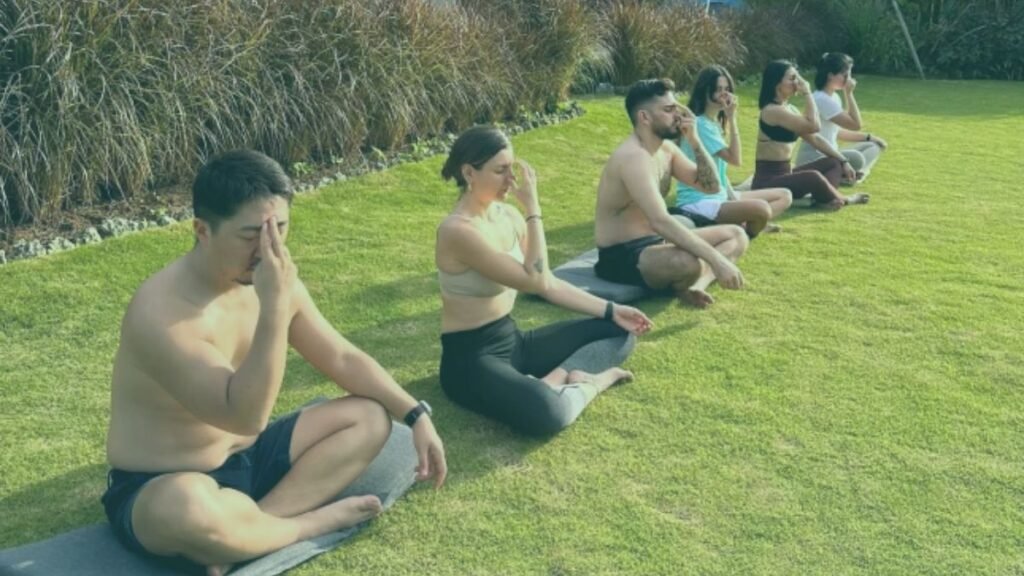
- Kapalabhati: a breathing technique that clears the head
These are strong practices. Learn them with a teacher before trying them alone.
Kundalini Kriyas
Kundalini kriyas move energy through the body using yoga poses, breath, hand gestures, and chanting. During practice, some people feel movements happen on their own. These are called involuntary kriyas: shaking, jerking, or swaying as stuck energy releases. It can feel strange at first, but it is usually safe and part of a wider process of kundalini awakening.
Benefits of Practicing Kriyas
Kriyas are tools, not just moves. Done regularly, they give practical benefits for the body and mind:
- Clean the body: they remove waste from the stomach, nose, and other organs so the body works better.
- Open the breath: cleansing kriyas clear the nose and lungs, which makes it easier to breathe deeply and stay calm.
- Lift energy: a clean body with steady energy flow leaves you more awake and alert.
- Clear the mind: kriyas cut mental clutter and stress, which helps focus at work, study, or meditation.
- Prepare for meditation: they make it easier to sit still and go deeper.
- Support release: many people feel better emotionally and physically after practicing kriyas over time.
Some traditions also say kriyas help open the chakras, which is linked to a stronger sense of balance and self-understanding.
How to Practice Kriyas Safely
Before you start, a few basics keep the practice safe and useful.
Pick the right time
Kriyas work best in the morning on an empty stomach. That sets up your energy for the day and keeps the body clean.
Find a quiet space
Practice somewhere calm and quiet so you can stay focused and safe.
Learn from a teacher
Some kriyas are simple, like breathing or eye-gazing. Others, like stomach cleansing, are advanced. Learn them from a trained yoga teacher before trying them on your own.
Listen to your body
If you feel dizzy, unwell, or drained, stop and rest. Kriyas should leave you feeling better, not worse.
Use clean tools
Some kriyas need specific items: a neti pot for the nose, a cloth for the stomach, or a candle for eye focus. Keep everything clean and use it the right way.
At Joga Yoga, we teach kriyas step by step during teacher training, so students learn them safely and with confidence.
Common Kriyas You Will Be Taught
These are the kriyas you are most likely to meet in a class or during teacher training.
Jala Neti
A nose-cleansing practice using warm salt water and a small neti pot. It clears the nose and helps you breathe.
Trataka
An eye-focus kriya. You sit still and gaze at a candle flame to build focus and steadiness.
Kapalabhati
A fast breathing kriya. You exhale sharply through the nose while pulling in the belly. It clears the lungs and sharpens the mind.
Nauli
A belly movement that massages the stomach organs and supports digestion. It is advanced, so learn it with a teacher.
Dhauti
A cleansing practice for the food pipe using warm water. It helps with stomach issues and should only be done under teacher guidance.
These practices are part of our yoga teacher training in Bali, taught by experienced instructors.
Kriyas at Joga Yoga in Bali
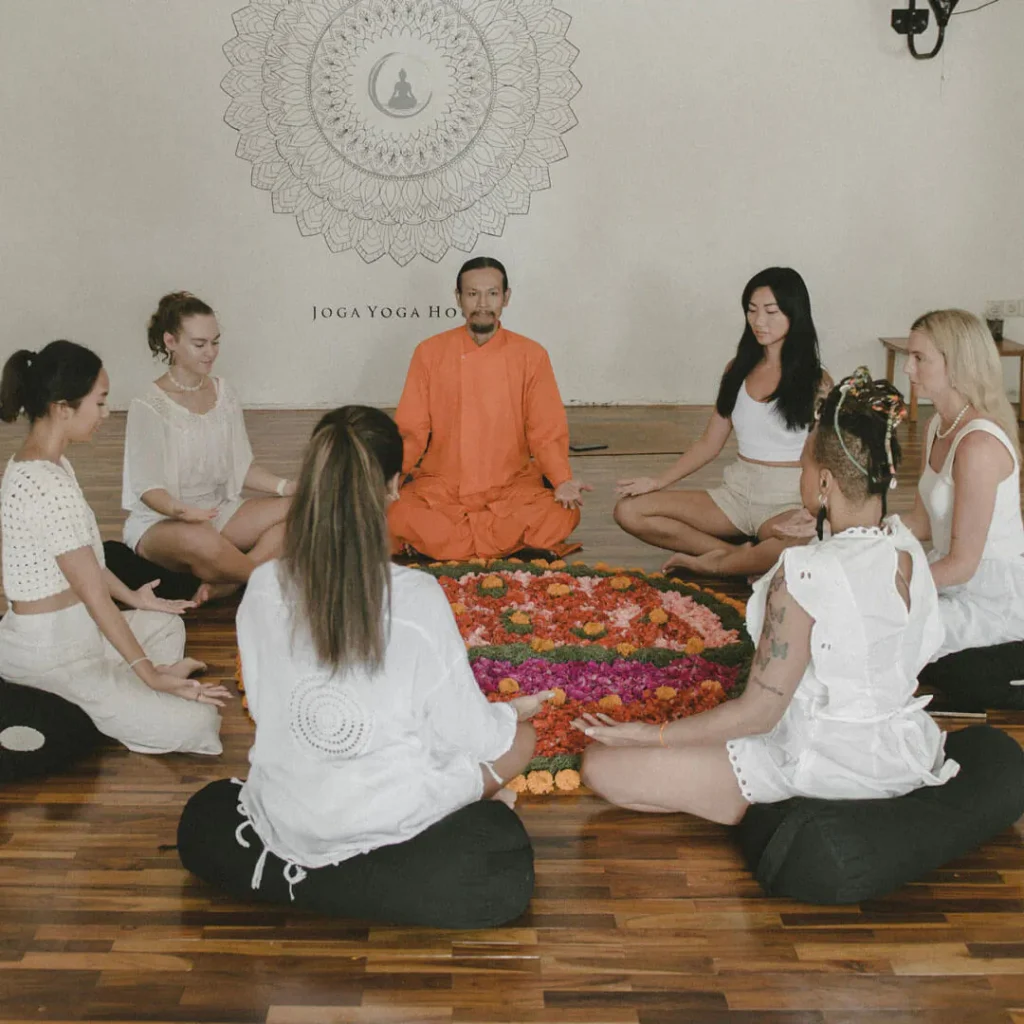
At Joga Yoga in Bali, kriyas are a core part of our yoga teacher training. We teach beginners and advanced students how to use them the right way.
In our 100-hour, 200-hour, and 300-hour courses, you learn:
- Cleansing kriyas such as Neti, Trataka, and Kapalabhati
- How kriyas prepare the body for deeper yoga
- The safe way to practice kriyas in a group
- How kriyas connect to Ayurveda and the chakras
- Why kriyas matter for teachers and serious students
Our classes in Canggu give you a calm setting to explore these practices, surrounded by nature and guided by skilled teachers. Many students go on to become a certified yoga teacher or to deepen a meditation practice such as Vipassana.
Frequently Asked Questions
What is the meaning of kriyas?
Kriya means action or movement. In yoga, a kriya is a structured action that cleanses the body, settles the mind, and moves energy in preparation for deeper practice.
How many kriyas are there in yoga?
Hatha Yoga has six classical cleansing kriyas, known together as the Shatkarma. Kundalini Yoga adds its own energetic kriyas, so the total depends on the tradition.
Are kriyas dangerous?
Most kriyas are safe when done with care and guidance. Advanced cleansing kriyas that affect the stomach, or deep energy work, should only be done with a trained teacher.
Can kriyas happen on their own?
Yes. In Kundalini Yoga some people feel spontaneous movements during meditation, called involuntary kriyas. They are a sign that energy is moving through the body.
What is the difference between a kriya and pranayama?
A kriya is a full action that can include movement, breath, and focus. Pranayama is breath control only. Some kriyas use pranayama, but not all pranayama is a kriya.
Is a kriya the same as Kriya Yoga?
No. The kriyas in this guide are cleansing and energy practices. Kriya Yoga is a specific meditation lineage. They share the word kriya but are different things.
Can beginners try kriyas?
Yes. Simple kriyas such as Trataka and Kapalabhati suit beginners. Advanced ones like Nauli and Dhauti should be learned with a teacher. Start slow and listen to your body.
Ready to learn kriyas the right way?
Train with experienced teachers in Bali and practice kriyas safely, step by step, as part of a full yoga teacher training.
View our programs