

Yoga and Sanskrit are deeply connected. The word yoga comes from the Sanskrit root yuj, which means “to join” or “to unite.” This guide explains the most common Sanskrit words in yoga, how to pronounce them, and what they mean. You will also see how pose names are built from simple roots, making them easier to remember and use in class.
Why Sanskrit Matters In Yoga
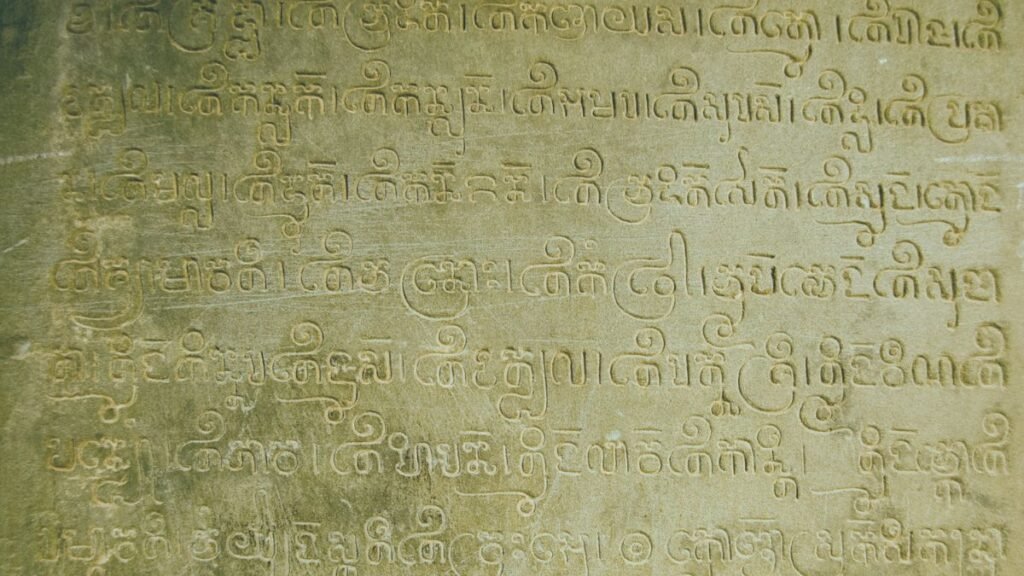
Sanskrit is an ancient language from India. Most yoga texts like the Yoga Sutras and the Bhagavad Gita were written in Sanskrit. This is why many yoga teachers still use Sanskrit names in their classes today.
Learning the Sanskrit words can feel hard at first, but it helps you connect to the history and meaning of yoga. For example, the word Hatha comes from ha (sun) and tha (moon). It shows balance in the body and mind. If you want to read more about the roots of this style, check out our guide on What Is Hatha Yoga.
Using Sanskrit also creates clarity in class. If you travel to another country, the English names for poses may change, but the Sanskrit names will be the same. That makes it easier to join any yoga class anywhere in the world.
How To Pronounce Sanskrit Accurately
Sanskrit has sounds that are different from English. Learning a few rules makes it easier to say the words correctly.
- Vowels are usually short, like a in yoga (yo-gah, not yo-guh).
- Consonants like dh and th have more breath.
- Retroflex sounds like ṭ and ḍ are made by curling the tongue back.
To practice, start by saying the root part of a word, then put the whole word together. For example, say “adho” slowly, then add “mukha svana” until it flows.
Breath can help too. Try controlling your breath while you say each word. This connects to the yoga practice of Pranayama Yoga, which is all about breath control.
Core Vocabulary Every Yogi Should Know
Here are some of the most important Sanskrit words you will hear often in yoga:
- Yoga – from yuj, meaning “to join” or “to unite.” Yoga is the union of body, breath, and mind.
- Asana – means “seat” or posture. Today it is used for yoga poses.
- Pranayama – from prana (life force) and yama (control). It means breathing techniques.
- Mudra – means “seal” or “gesture,” often done with the hands.
- Bandha – means “lock” or “bind.” It refers to energy locks in the body.
- Dhyana – means meditation.
- Samadhi – deep absorption or union with higher awareness.
These words also connect to the eight limbs of yoga. To learn about them in detail, visit our guide on Ashtanga Yoga, The 8 Limbs. If you want to explore more about yogic traditions and ideas, see our page on Yoga Philosophy.
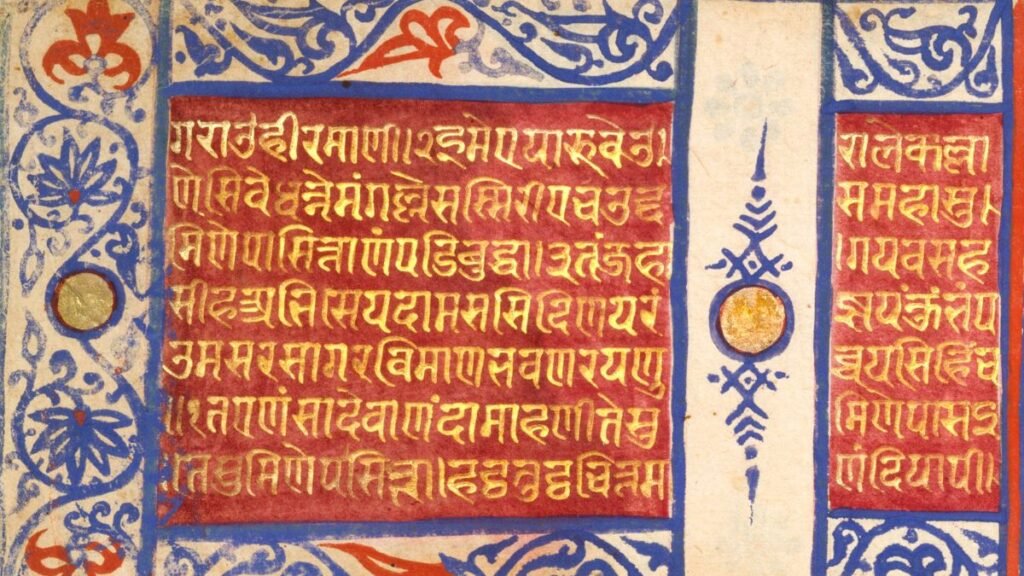
Pose Name Building Blocks: Prefixes, Suffixes, And Roots
Yoga pose names in Sanskrit are often long, but they follow patterns. If you learn the common roots, you can understand many names without needing to memorize every single one.
Here are some useful roots and what they mean:
- Adho – downward
- Urdhva – upward
- Ardha – half
- Supta – lying down or reclined
- Utthita – extended
- Baddha – bound
- Parivrtta – revolved or twisted
- Parsva – side
- Kona – angle
- Pada – foot
- Shirsha – head
- Angustha – big toe
- Salamba – supported
For example, Utthita Trikonasana means “extended triangle pose.” If you know utthita means extended and kona means angle, you can guess the meaning.
You can explore more of these word parts in our Guide To Yoga Terms, which gives a bigger glossary of yoga vocabulary.
Common Asanas In Sanskrit: Standing And Foundational
Standing poses are the base of many yoga practices. These poses build strength, balance, and focus.
- Tadasana – Mountain Pose. Tada means mountain, so it is the mountain posture.
- Samasthiti – Equal Standing. Sama means upright, sthiti means stability.
- Utthita Trikonasana – Extended Triangle Pose. Utthita means extended, tri is three, kona is angle.
- Parivrtta Trikonasana – Revolved Triangle Pose. Parivrtta means twist, combined with triangle.
- Parsvakonasana – Side Angle Pose. Parsva is side, kona is angle.
- Utthita Hasta Padangusthasana – Extended Hand to Big Toe Pose. Hasta is hand, pada is foot, angustha is big toe.
When you work with these standing poses, paying attention to alignment is important. You can read more about the body in poses in our Guide To Yoga Anatomy.
Common Asanas In Sanskrit: Forward Folds And Hip Openers
Forward bends help to calm the nervous system and stretch the back body. Hip openers improve mobility and release tension.
- Uttanasana – Intense Forward Bend. Ut means intense, tan means stretch.
- Prasarita Padottanasana – Wide-Legged Forward Fold. Prasarita means expanded, pada means foot, uttanasana is forward fold.
- Janu Shirshasana – Head-to-Knee Pose. Janu is knee, shirsha is head.
- Baddha Konasana – Bound Angle Pose. Baddha is bound, kona is angle.
- Upavistha Konasana – Seated Wide-Legged Forward Fold. Upavistha means seated.
- Eka Pada Rajakapotasana – One-Legged King Pigeon Pose. Eka is one, pada is foot, kapota is pigeon.
These poses are often used in practices for athletes or runners because they open tight muscles. If you are curious about how yoga supports sports, visit our guides on Yoga For Athletes and Yoga For Runners.
Common Asanas In Sanskrit: Backbends
Backbends open the chest, stretch the front body, and build strength in the back. They can be energizing when practiced safely.
- Bhujangasana – Cobra Pose. Bhujanga means serpent or snake.
- Ustrasana – Camel Pose. Ustra means camel.
- Dhanurasana – Bow Pose. Dhanu means bow.
- Matsyasana – Fish Pose. Matsya means fish.
- Purvottanasana – Upward Plank Pose. Purva means east, uttana means intense stretch.
Backbends are powerful, but they should be balanced with rest and grounding. If you want to explore how yoga helps calm the mind after strong poses, see our guide on Yoga For Stress Relief.
Common Asanas In Sanskrit: Arm Balances And Inversions
These poses build focus, strength, and balance. They can look advanced, but with practice and good technique, they become more accessible.
- Bakasana – Crane Pose. Baka means crane.
- Chaturanga Dandasana – Four-Limbed Staff Pose. Chatur is four, anga is limb, danda is staff.
- Salamba Shirshasana – Supported Headstand. Salamba means supported, shirsha is head.
- Sarvangasana – Shoulderstand. Sarva means all, anga means body.
These poses often test grip and stability. If your mat slips, it can feel unsafe. For practical tips, read Effective Ways To Deal With A Slippery Yoga Mat.
Common Asanas In Sanskrit: Restorative And Finishing
Resting poses bring balance after strong flows. They calm the nervous system and prepare you for meditation.
- Balasana – Child’s Pose. Bala means child.
- Savasana – Corpse Pose. Sava means corpse.
- Supta Baddha Konasana – Reclined Bound Angle Pose. Supta means lying down, baddha is bound, kona is angle.
These poses are great for winding down at the end of practice. If you want restful routines for daily life, try Simple Yoga Poses For Better Sleep or explore meditation options in Yoga Meditation Techniques.
Story Names: Mythic And Cultural References
Some yoga poses are named after stories, gods, and sages from Indian tradition. These names carry a history that connects movement to myth.
- Virabhadrasana – Warrior Pose. Named after Virabhadra, a warrior created by Shiva from a lock of his hair.
- Hanumanasana – Monkey Pose or Splits. Named after Hanuman, the monkey god, who leaped from India to Sri Lanka in one step.
- Marichyasana – Pose of the Sage Marichi. Marichi was the son of Brahma, known for wisdom.
When you chant or use sound in your practice, it is another way to connect with this tradition. Learn more about this connection in our guides on Sound Of The Universe: OM and Mantra And Asana.
Cheat Sheets And Memory Tricks
Learning many Sanskrit words can feel like a lot, but there are tricks to make it easier:
- Group by roots: if you know kona means angle, you can guess the meaning in Trikonasana (triangle) or Parsvakonasana (side angle).
- Use images: picture a bow when you hear Dhanurasana.
- Break it down: say each part slowly, then put the word together.
- Repeat and recall: say the name while moving into the pose, then repeat it after class.
Practice Path: Bring Sanskrit Into Your Classes
If you are a teacher, you may wonder how to add Sanskrit without confusing your students. The key is to start simple and build over time.
Here are some steps you can follow:
- Use English first for safety and clear alignment. For example: “Step into Mountain Pose.”
- Add Sanskrit after once students know the shape. Say: “This is Tadasana, Mountain Pose.”
- Repeat in every class so students connect the English and Sanskrit together.
- Use breath cues to make it natural. For example: “Inhale, lift your arms in Urdhva Hastasana.”
Further Study
Learning Sanskrit opens a new layer of yoga practice. It helps you understand the meaning behind every pose and connects you to yoga’s roots.
If you want to go deeper:
- Read our Yoga Certification Guide to understand training options.
- Explore what past students say in Joga Yoga Reviews.
- Prepare for your future with the Yoga Teacher Training Bali 2025 program.
Sanskrit may look hard, but with practice and patience it becomes part of your yoga journey. Keep learning one word at a time, repeat them in your practice, and soon they will feel natural.
If you have questions or want to start your teacher training, contact us today and take the next step.

Conclusion
Sanskrit is the language of yoga. By learning key words and pose names, you connect to yoga’s roots and understand your practice more deeply. Start with a few terms, repeat them in class, and they will soon feel natural. If you want to go further, explore our Yoga Certification Guide or join our Yoga Teacher Training in Bali to bring Sanskrit into your teaching.
Frequently Asked Questions
What does yoga mean in Sanskrit?
Yoga comes from the Sanskrit root yuj, which means “to join” or “to unite.” It refers to the union of body, breath, and mind.
Do I need to learn Sanskrit to practice yoga?
No, you do not need to. But learning the words adds respect and depth to your practice, especially if you want to teach.
How do you pronounce Adho Mukha Svanasana?
Say it slowly: ahd-hoh moo-kha sva-nah-sah-nah. Stress lightly on sva.
Why are Sanskrit pose names long?
Sanskrit pose names are compounds. Each part describes something like the direction, body part, or action of the pose.
Is Sanskrit still used in yoga classes?
Yes. Many teachers use both English and Sanskrit. Sanskrit creates a common language in yoga across the world.