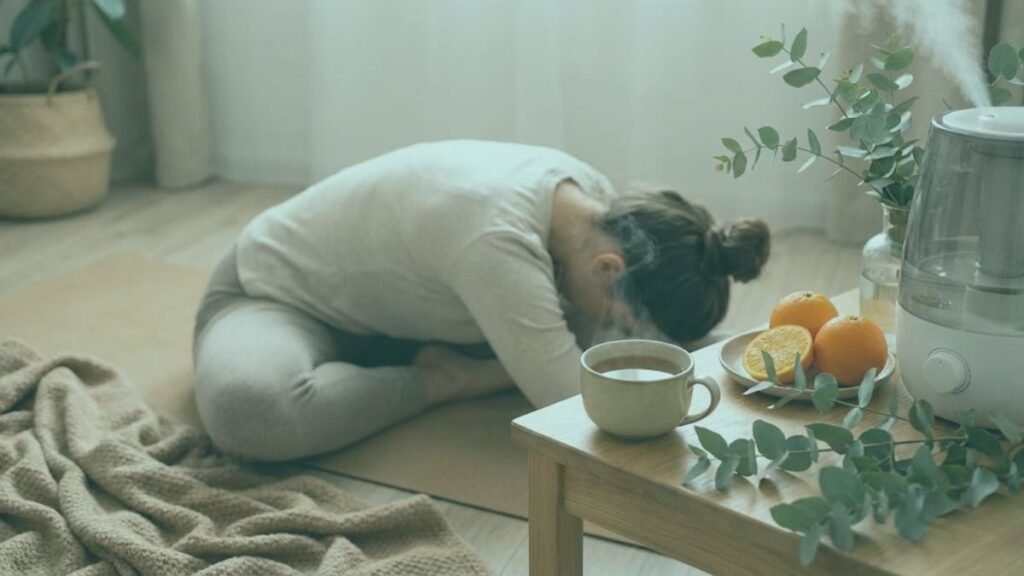
Flu season can be stressful, especially when news reports talk about fast spreading viruses. Many people are asking how to take care of their body and mind during this time. Yoga does not treat or prevent the flu, but it can support breathing, rest, and recovery when used carefully.
This guide explains what is happening this flu season and how yoga can be used safely as a supportive practice.
Why Flu Season Feels Worse This Year
This flu season feels more intense than usual for many people. Health experts say this is mainly due to a fast spreading strain of Influenza A called H3N2, specifically a version known as subclade K.
H3N2 subclade K
Subclade K is a newer variation of the H3N2 flu virus. It has several mutations compared to earlier strains. Because many people have little immunity to it, more people are getting sick.
Rapid spread
Doctors report that this strain spreads quickly. Many people develop symptoms within two or three days after exposure. This fast spread leads to a sudden rise in flu cases.
Hospitals overwhelmed
In several regions, hospitals have seen a sharp increase in flu related visits. When many people get sick at the same time, medical centers can become very busy, even if the illness itself is not more severe for each person.
Media calling it “super flu”
Some media outlets have used the term “super flu” to describe this surge. This term is attention grabbing, but it is not a medical term.
Important clarification
There is no official virus called “super flu.” Health experts say the term has no scientific meaning. It is used to describe how fast the flu is spreading, not that it is a new or more dangerous disease.
What the “Super Flu” Actually Means
It is important to understand what experts really mean when they talk about this flu season.
Why experts reject the term
Doctors and scientists say “super flu” is a sensational phrase. It does not describe a specific illness or level of severity. Using clear and accurate language helps people make better health decisions.
What subclade K is
Subclade K is a version of the H3N2 influenza virus. Similar strains have existed before. What makes this season stand out is how quickly it is spreading, not proven increased severity per case.
Why the spread feels intense
Many people have limited immunity to this strain. Also, flu activity started earlier than usual in some places. This leads to more people being sick at the same time.
Vaccines still matter
Even though the current flu vaccine is not a perfect match, health experts say it still helps protect against severe illness, hospitalization, and death. Vaccines and medical care remain the most important tools during flu season.
Can Yoga Help During Flu Season
Yoga can play a supportive role during flu season, but it must be understood clearly and used carefully.
What yoga does not do
Yoga does not prevent the flu.
Yoga does not cure viral infections.
Yoga does not replace vaccines, medical care, or rest.
What yoga can support
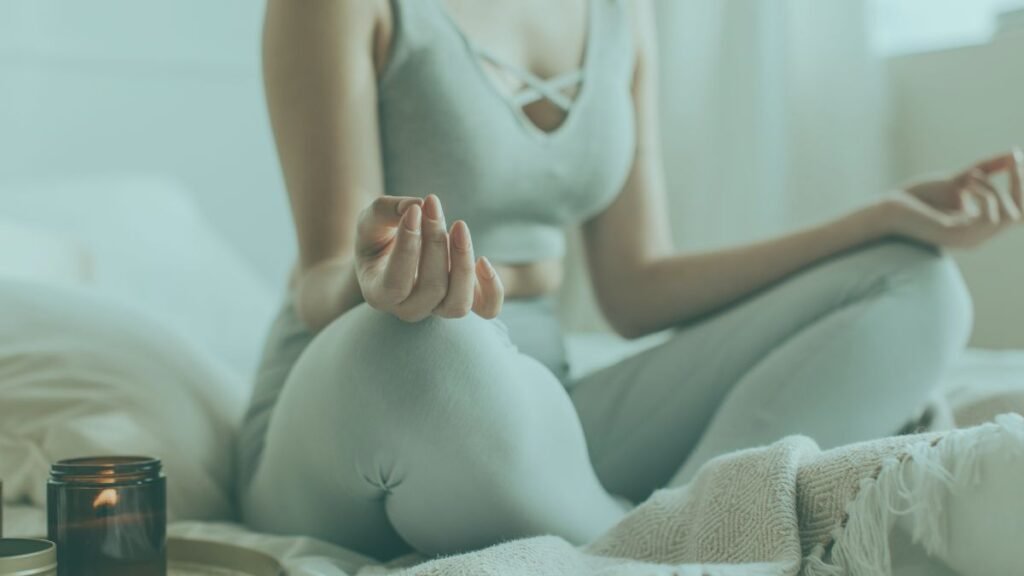
When practiced gently, yoga can help support the body in other ways. It can encourage calm breathing, reduce stress, and help the nervous system relax. These effects may support comfort and recovery, especially when someone is resting or feeling anxious during illness.
Yoga is best seen as a gentle wellness practice, not a treatment. Listening to the body and choosing rest when needed is always more important than pushing through a practice.
How Yoga Supports the Nervous System During Illness
When people are sick or worried about getting sick, the nervous system often stays in a stressed state. This can make the body feel tense and tired.
Yoga can help calm the nervous system when practiced gently.
Stress reduction
Slow movement and mindful breathing can reduce stress signals in the body. Lower stress helps the body rest and recover more effectively.
Better rest
Gentle yoga and breathing practices can support better sleep. Rest is one of the most important parts of recovery during flu season.
Calm breathing
Soft breathing through the nose can help signal safety to the nervous system. This can reduce feelings of panic or discomfort, especially when symptoms feel overwhelming.
Breathing Practices That Support Comfort
Breathing practices should stay gentle during flu season. The goal is comfort, not intensity.
Gentle nasal breathing
Breathing slowly through the nose can help warm and filter the air. This may feel more comfortable than fast or mouth breathing.
Slow exhale emphasis
Longer exhales help the body relax. A simple practice is to inhale for a short count and exhale for a slightly longer count, without forcing the breath.
Avoid forceful pranayama when sick
Strong breathing practices like rapid breathing or breath retention should be avoided when you are ill. These techniques can increase strain and are not helpful during recovery.
Gentle Movement vs Rest
Knowing when to move and when to rest is important during flu season.
When light movement helps
If symptoms are mild and energy levels allow, gentle stretching or slow movement can help reduce stiffness and support circulation. Practices should be short and calming.
When rest is better
If there is fever, body aches, dizziness, or deep fatigue, rest is more helpful than movement. Rest allows the immune system to focus on recovery.
Clear warning signs to stop
Stop yoga or breathing practices if you feel lightheaded, short of breath, weak, or uncomfortable. These signs mean the body needs rest, not activity.
Yoga Practices to Avoid When You Are Sick
When you are sick, some yoga practices can place extra stress on the body. Avoiding them helps protect recovery and builds trust with readers and search engines.
No hot yoga
Hot yoga raises body temperature and increases dehydration risk. When the body is already fighting infection, heat can make symptoms worse.
No intense breathwork
Avoid fast breathing, breath holding, or strong cleansing techniques. These can strain the lungs and nervous system during illness.
No power flows
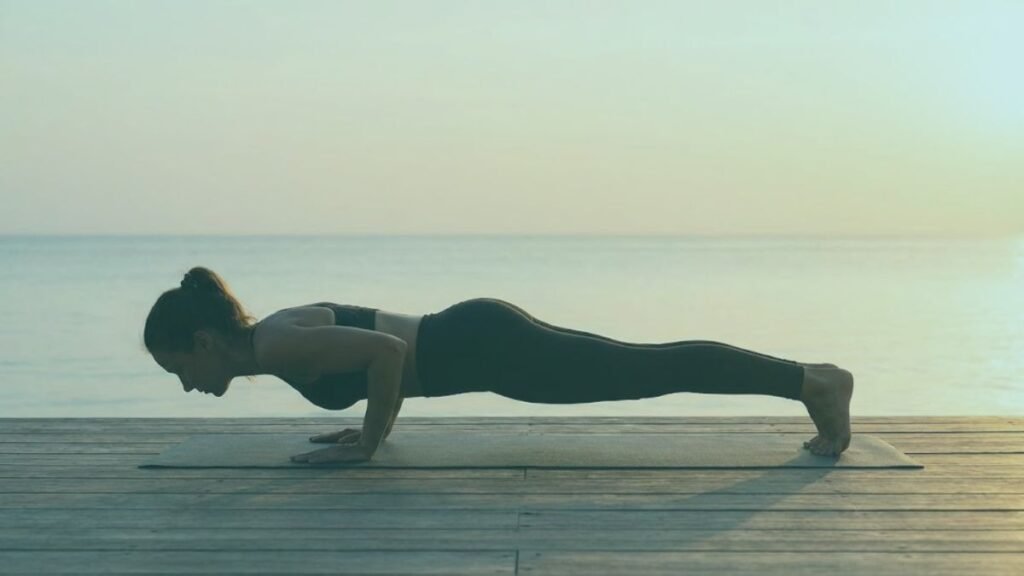
High intensity flows demand energy the body needs for healing. Fatigue, dizziness, or shortness of breath are signs to stop.
No forcing detox claims
Yoga does not detox viruses or cure illness. Claims like “sweating out the flu” are misleading and unsafe. Recovery comes from rest and medical care.
Yoga for Recovery After Flu
Once fever is gone and energy begins to return, gentle yoga can support recovery. The focus should remain slow and easy.
Gentle stretches
Simple movements for the neck, shoulders, hips, and back can reduce stiffness from days of rest. Keep movements slow and controlled.
Restorative poses
Supported poses such as gentle reclining positions or legs elevated with pillows can promote relaxation and circulation without effort.
Short sessions
Start with five to ten minutes. Gradually increase only if the body feels stronger. Ending early is better than pushing too far.
Flu Prevention Still Comes First
Yoga supports overall well being, but it does not prevent viral infections. Prevention requires medical and public health actions.
Vaccination
Flu vaccines remain the best protection against severe illness. Even when strains change, vaccines help reduce hospitalizations and complications.
Medical care
Seek medical advice if symptoms worsen or breathing becomes difficult. Yoga should never replace medical treatment.
Staying home when sick
Resting at home protects others and helps recovery. Movement should wait until symptoms improve.
Conclusion
Flu season can feel overwhelming, especially when illness spreads quickly. Yoga offers support through calm breathing, gentle movement, and deep rest.
Yoga is not a cure, but it can help the body feel safer and more relaxed during recovery. Listening to the body is always the most important practice.
For those feeling well, gentle yoga classes or deeper education through teacher training can help build long term awareness of breath, rest, and resilience.
Slow down. Breathe gently. Let the body heal.
Practicing Yoga Gently in Bali
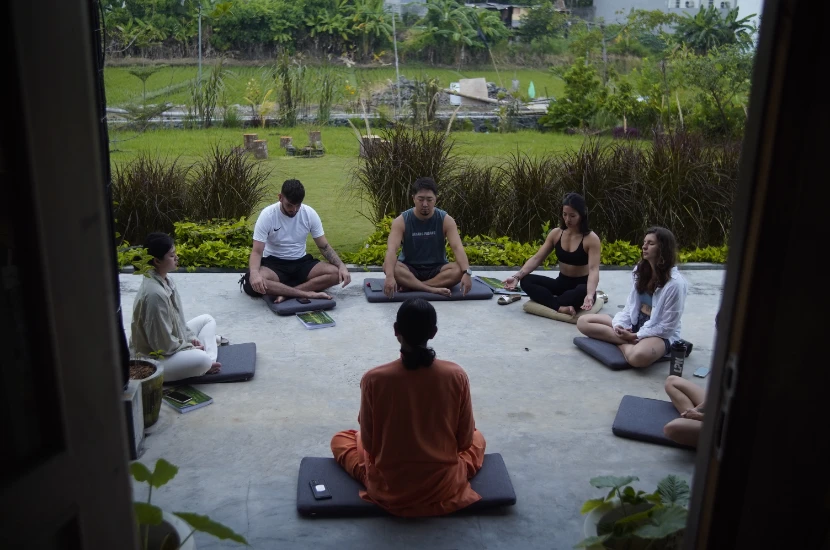
If you are feeling well and curious about yoga, starting with gentle group classes can be a simple and supportive way to build a regular practice.
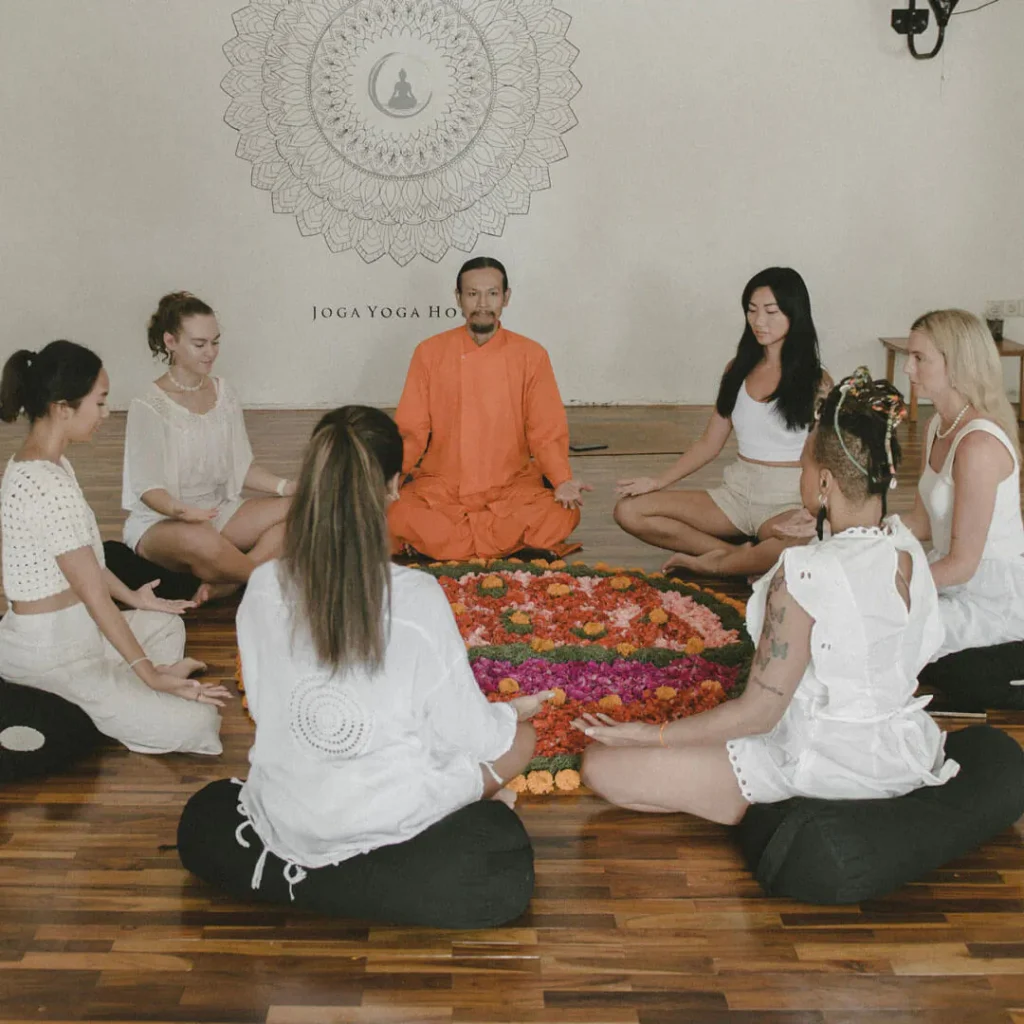
At Joga Yoga in Canggu, we offer daily drop in yoga classes that focus on mindful movement, breath awareness, and safe alignment. These classes are suitable for beginners and experienced students alike.
You can join a class when your body feels ready, without committing to long programs or intense training.
Daily Drop In Yoga Classes at Joga Yoga
Classes are offered throughout the week, with styles that support different energy levels.
- Traditional Hatha Yoga for slow, steady movement
- Vinyasa Flow for gentle strength and mobility
- Candle Light Yin for deep rest and relaxation
- Flexibility and Mobility sessions for joint health
- Beginner friendly classes on Sundays
Morning, midday, and evening options are available, making it easy to choose a time that fits your body and schedule.
A Calm Space to Practice
Joga Yoga is based in Canggu, Bali, in a quiet and welcoming space designed for comfort and focus. Classes are led by experienced teachers who emphasize safety, breath, and listening to the body.
There is no pressure to push or perform. Rest is always respected.
Start When You Feel Ready
Yoga is not about doing more. It is about doing what feels right for your body, especially during times of stress or recovery.
If you are in Bali and want to explore yoga at your own pace, you are welcome to join a drop in class and see how it feels.
Sometimes, the best practice is simply showing up and breathing together.