


What Are Kriyas?
The word “Kriya” comes from the Sanskrit word “Kri,” which means “to do” or “action.” In yoga, a kriya is a set of actions that help cleanse the body, calm the mind, and move energy. Kriyas are more than simple movements. They are full-body and mind practices that bring balance and awareness.
Some kriyas look like yoga poses. Others are breathing techniques, hand gestures, or even eye exercises. They are often used in different styles of yoga like Hatha Yoga or Kundalini Yoga. Kriyas are used to get the body ready for deeper meditation and spiritual growth.
Kriyas are important because they help remove blockages in the body. This makes it easier for energy to flow. When the body is clean and the energy flows well, it becomes easier to feel calm, focused, and strong.
Why Are Kriyas Important in Yoga?
Kriyas are like a deep clean for your body and mind. Just like brushing your teeth keeps your mouth fresh, kriyas keep your inner body clean. They remove toxins, improve your breathing, and clear your mind.
Many people use kriyas before doing yoga poses, breathing exercises, or meditation. This makes all other practices more powerful. Kriyas help wake up your energy centers, also known as chakras. When chakras are balanced, you feel more peaceful and full of life.
Practicing kriyas can also help release hidden emotions. Sometimes, people feel tears, laughter, or strong sensations. This is normal and part of the body’s way of healing. Over time, kriyas help you feel more relaxed, focused, and connected to yourself.
Types of Kriyas in Yoga Traditions
There are different types of kriyas, and they come from different styles of yoga. The two main traditions are Hatha Yoga and Kundalini Yoga.
1. Shat Kriyas (from Hatha Yoga)
These are six cleansing techniques. They are also called Shatkarma. They help remove waste from your body and mind.
- Dhauti: Cleans the stomach and food pipe
- Basti: Cleans the colon
- Neti: Cleans the nose and sinuses
- Nauli: Moves the belly muscles to massage organs
- Trataka: Focuses the eyes on one spot to clear the mind
- Kapalabhati: A breathing technique that clears the head area
These are strong techniques and should be done with a teacher.
2. Kundalini Kriyas
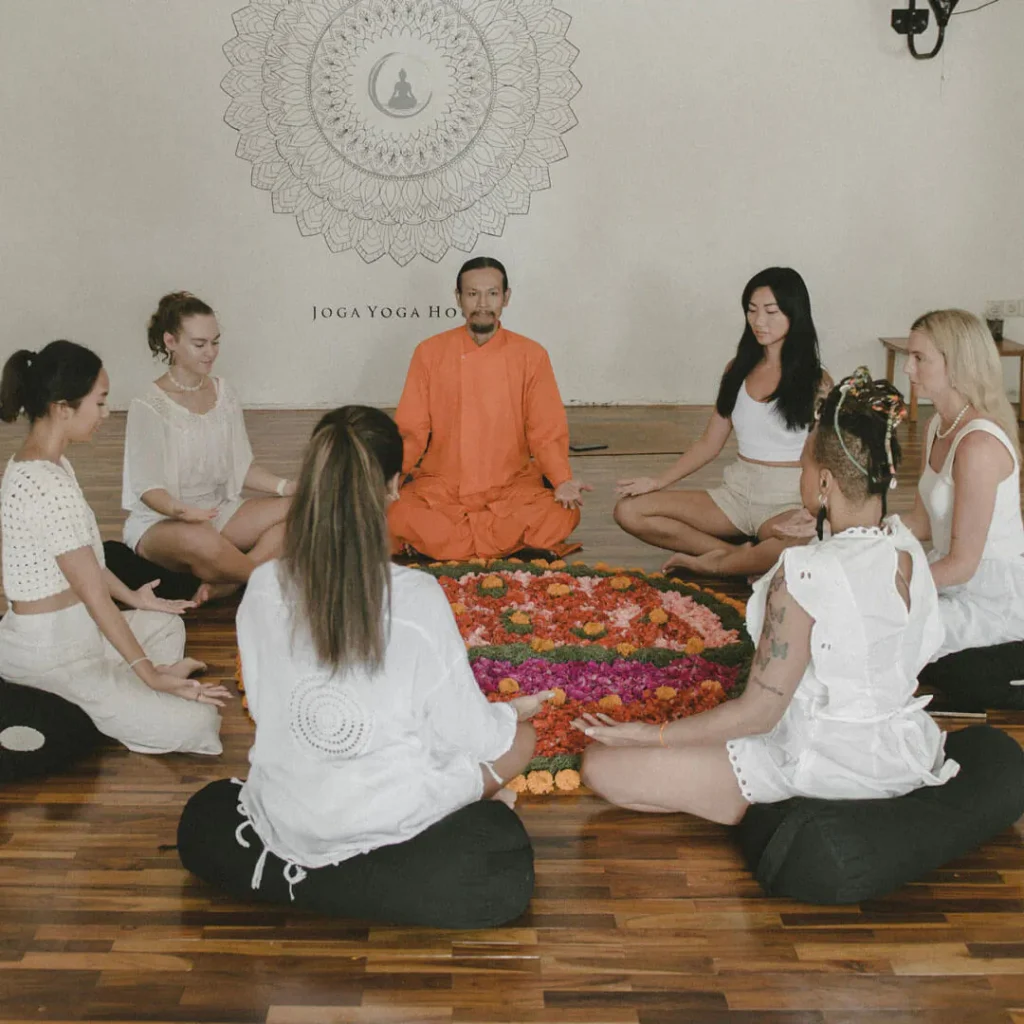
These kriyas help move energy through the body. They often include yoga poses, breathing, hand gestures, and chanting. People who practice Kundalini Yoga may feel body movements happen by themselves. These are called involuntary kriyas.
Some people feel shaking, jerking, or swaying. This is the body’s way of releasing stuck energy. It can feel strange at first, but it is usually safe and helpful. These kriyas work on both the body and the mind.
Benefits of Practicing Kriyas
Kriyas give many benefits to both the body and mind. They are not just yoga moves. They are tools to help you feel better, stronger, and more peaceful.
Here are some of the most important benefits:
- Cleans the body: Kriyas remove waste from your stomach, nose, and other organs. This helps your body work better.
- Improves breathing: Some kriyas clear the nose and lungs. This makes it easier to breathe deeply and stay calm.
- Boosts energy: When your body is clean and your energy flows well, you feel more awake and alive.
- Helps your mind: Kriyas help clear your thoughts and reduce stress. They can also make it easier to focus during school, work, or meditation.
- Prepares for meditation: Kriyas make it easier to sit still and go deep in your practice.
- Supports healing: Many people feel better emotionally and physically after doing kriyas regularly.
Some people even say kriyas help open their chakras or energy centers. This can lead to more balance, joy, and self-understanding.
How to Practice Kriyas
Before starting kriyas, it is important to know how to practice them safely. Here are a few steps to follow:
1. Find the Right Time
Kriyas are best done in the morning on an empty stomach. This gives you energy for the day and helps your body stay clean.
2. Choose a Quiet Place
You should practice kriyas in a calm, quiet space. This helps you stay focused and safe.
3. Follow a Teacher
Some kriyas are simple, like breathing or eye-gazing. Others, like stomach cleansing, are advanced. It is best to learn from a trained yoga teacher before trying them on your own.
4. Listen to Your Body
If you feel dizzy, sick, or tired, stop and rest. Kriyas should make you feel better, not worse.
5. Use the Right Tools
Some kriyas need special items like a neti pot (for nose cleansing), a cloth (for stomach cleansing), or a candle (for eye focus). Make sure everything is clean and used the right way.
At Joga Yoga, we teach kriyas step by step during our yoga teacher training programs. This way, students learn how to do them safely and with confidence.
Examples of Commonly Taught Kriyas
Here are some kriyas you may come across in yoga classes or during your teacher training:
1. Jala Neti
This is a nose cleansing practice. You use warm salty water and a small pot called a neti pot. It clears the nose and helps with breathing.
2. Trataka
This is an eye cleansing and focus kriya. You sit still and look at a candle flame. It helps with eye strength and mental focus.
3. Kapalabhati
This is a fast breathing kriya. You breathe out strongly from the nose while pulling in the stomach. It helps clean the lungs and makes the mind feel sharp.
4. Nauli
This is a belly movement that massages your stomach organs. It is good for digestion and energy flow. It is an advanced kriya, so you should learn it with a teacher.
5. Dhauti
This kriya cleans the food pipe. You drink warm water and bring it back up to remove waste. It is helpful for those with stomach problems. Only practice this with teacher guidance.
These kriyas are not just for detox. They also help build discipline and focus. They are part of our yoga teacher training in Bali and are taught by experienced instructors.
Kriyas at Joga Yoga Bali
At Joga Yoga in Bali, kriyas are an important part of our yoga teacher training programs. We teach both beginners and advanced students how to use kriyas the right way.
In our 100-hour, 200-hour, and 300-hour training courses, you’ll learn:
- Cleansing kriyas like Neti, Trataka, and Kapalabhati
- How kriyas prepare the body for deeper yoga
- The safe way to practice kriyas in a group
- How kriyas connect to Ayurveda and chakras
- Why kriyas are key for teachers and serious students
Our school in Canggu is a peaceful place to explore these practices, surrounded by nature and guided by skilled teachers.
Ready to Begin Your Kriya Journey?
Whether you’re looking to go deeper into your yoga practice or want to become a certified yoga teacher, learning kriyas is a powerful step.
Join one of our upcoming Yoga Teacher Training programs in Bali and learn these ancient techniques with personal guidance, safe practice, and a supportive community.
Explore more:
- Pranayama Breathing Guide
- Complete Guide to Yoga Teacher Training in Bali
- Vipassana Meditation Techniques
- Signs of Kundalini Awakening
- Yoga and the Nervous System
FAQ
What is the meaning of Kriya?
Kriya means “action” or “movement.” In yoga, it refers to special actions that help clean the body, calm the mind, and move energy.
Are kriyas dangerous?
Most kriyas are safe when done with care and guidance. Some advanced kriyas should only be done with a trained teacher, especially ones that affect the stomach or involve deep energy work.
Can kriyas happen on their own?
Yes. In Kundalini yoga, some people experience spontaneous movements during meditation. These are called involuntary kriyas. They are signs that energy is moving through the body.
What is the difference between kriya and pranayama?
Kriya is a full action. It may include movement, breath, and focus. Pranayama is only about breath control. Some kriyas use pranayama, but not all pranayama are kriyas.
Can beginners try kriyas?
Yes. Some kriyas are simple and safe for beginners, like Trataka or Kapalabhati. Others, like Nauli or Dhauti, should be learned with a teacher. Always start slow and listen to your body.