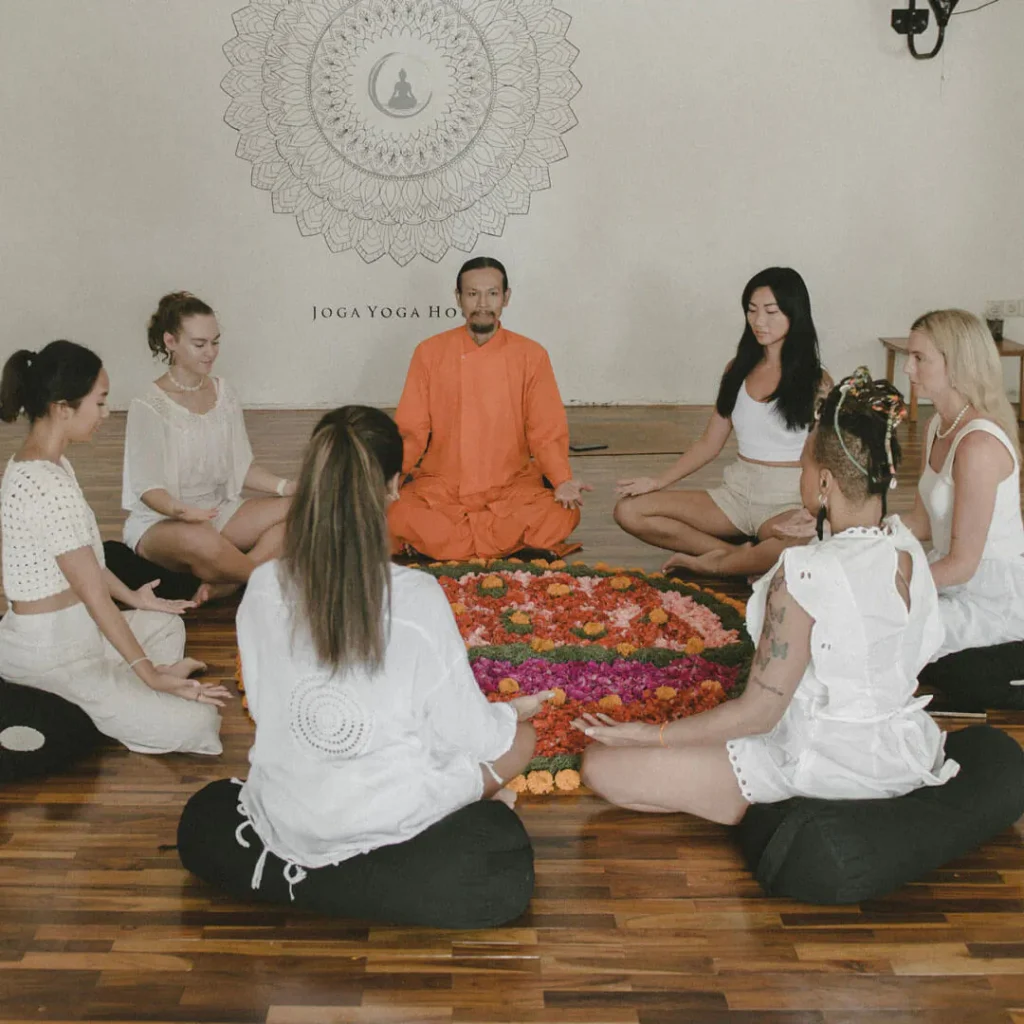




Yes, yoga teachers are in demand in 2026. However, demand is not the same for every type of teacher. General studio teaching is crowded in many cities, while specialized yoga roles continue to grow.
The yoga job market is now split into four main paths. These include studio instructors, traditional lineage teachers, yoga therapists, and online creators. Each path has different pay levels, training needs, and career stability.
Teachers who rely only on studio classes often face low pay and burnout. Teachers who specialize or build multiple income streams usually have better job security and higher earnings.
Key takeaways
- Most full-time teachers use more than one income stream
- Yoga teachers are still needed in 2026, but not all roles have equal demand
- Studio-only teaching is competitive and often low paid
- Specialization leads to better pay and more job options

The Global State of Yoga Teaching (2026–2030)
Yoga is growing around the world. More people use yoga for stress, pain relief, mobility, and mental health. The full yoga industry is getting bigger, and it may keep growing through 2030. Still, more market growth does not always mean higher pay for every teacher.
A big change is happening in how yoga is taught and sold. Yoga is becoming more professional in some areas, like healthcare and corporate wellness. At the same time, basic group classes are becoming more common and easier to replace with apps and videos. This is why some teachers earn very little, while others earn much more.
Yoga is growing, but opportunity is concentrating
The yoga market can grow while teacher pay stays flat in many studios. This happens because studios have limits. They can only fit so many students in one room, and rent is expensive. Many studios also rely on new teacher trainings for income, which adds more teachers into the market each year.
So the opportunity is moving toward areas where teachers can charge more for value, not volume. Examples include private sessions, corporate programs, and specialty work with specific groups.
Why the “average yoga teacher” no longer exists
In the past, people talked about yoga teachers as if they all had the same job. That is no longer true. Today, there are different types of yoga teachers with different skills, pay, and work settings. This is why “average salary” numbers can be confusing. The next section explains the four main types of yoga teachers in 2026.
What Counts as a “Yoga Teacher” in 2026? (The 4 Archetypes)
In 2026, the word “yoga teacher” can mean very different things. Some teachers lead busy group classes. Some teach in a traditional system with years of training. Some work in health settings. Some teach online and earn money from content.
Below are the four main types you will see in the market.
Generalist Studio Instructor (group fitness)
A generalist studio instructor teaches group classes in studios and gyms. These are often Vinyasa, Power Yoga, Hot Yoga, or mixed-level flow classes.
How this job usually works
- Pay is often per class, sometimes with a bonus based on attendance
- Teachers may work as contractors, not full-time staff
- Income can change a lot by season and class size
Risk in this path
This is the most crowded path in big cities. Many teachers compete for the same time slots. Pay can stay low because studios can often find new teachers quickly.
Best for
People who want part-time teaching, love group energy, and want teaching hours to build experience.
Lineage Practitioner (traditional or spiritual)
A lineage practitioner teaches in a traditional yoga system like Iyengar or Ashtanga. These schools often require long-term study, mentorship, and approval from senior teachers.
How this job usually works
- Students stay longer and build strong trust
- Teachers earn from loyal communities, workshops, and trainings
- The teaching style is more structured and tradition-based
Why this path is different
The training and standards are often harder. That can lower competition and raise trust. People who want tradition and depth often look for these teachers.
Best for
Teachers who want deep practice, long-term study, and a steady community.
Yoga Therapist (clinical or integrative)
A yoga therapist works closer to health and recovery. They may help people with pain, stress, injury recovery, or health conditions. Many work one-on-one or in small groups.
Scope and boundaries
Yoga therapy is not the same as medical care. Yoga therapists should not diagnose or treat like a doctor. But they can use yoga tools to support recovery and well-being, within proper limits.
Credential path
Many clinical roles prefer the C-IAYT path through the International Association of Yoga Therapists.
Why demand is rising
More people want non-drug ways to manage stress, pain, and mobility issues. Some clinics and wellness programs now include yoga therapy as part of care plans.
Best for
Teachers who want to work with specific health needs, enjoy careful teaching, and can invest in more training.
Digital Creator or Influencer
A digital creator teaches online through videos, apps, memberships, or social media. They earn through content, not just teaching hours.
How this job usually works
- Income can scale with more viewers and students
- Money can come from ads, memberships, courses, and affiliate links
- It takes time to grow a real audience
Reality check
This space is hard for new teachers because it is crowded and competitive. A small number of top creators earn most of the money. Many people post content but earn little.
Best for
Teachers who enjoy creating content, building a brand, and learning basic video and marketing skills.
Quick comparison table
| Archetype | Where they work | How they earn | Best for |
| Generalist Studio Instructor | Studios, gyms, community classes | Pay per class, sometimes per head | Part-time teaching and experience building |
| Lineage Practitioner | Traditional schools, workshops, trainings | Loyal students, workshops, long-term groups | Deep practice and tradition-focused teaching |
| Yoga Therapist | Clinics, private practice, rehab, small groups | Hourly private rates, contracts | Health-focused teaching and specialization |
| Digital Creator | Online platforms, apps, social media | Subscriptions, courses, ads, affiliates | Teachers who want scale and global reach |
Where Demand Is Growing (And Where It’s Saturated)
Yoga teacher jobs are not spread evenly. Some places have too many teachers, while others still need more. Knowing where demand is strong can make a big difference in your income and job stability.
The “yoga desert” vs coastal saturation pattern
Big cities like New York, Los Angeles, San Francisco, and London have many yoga studios and many teachers. This creates strong competition. Studios can offer lower pay because there are always new teachers willing to take classes. This is called saturation.
Smaller cities, towns, and regional areas often have fewer yoga teachers. These places are sometimes called yoga deserts. In these markets, teachers can build stronger relationships with students. Classes are more consistent, and students are less likely to jump between studios.
In smaller markets, teachers often earn more per student over time. Loyalty is higher, schedules are steadier, and it can be easier to offer privates or small group programs.
Corporate wellness demand (high leverage)
Corporate wellness is one of the fastest-growing job areas for yoga teachers. Companies now use yoga and mindfulness to reduce stress and burnout.
This demand has changed how and when teachers work. Classes often happen during lunch breaks or in the morning. The format is also different. Many sessions focus on chair yoga, breathing, gentle movement, and relaxation. There is less sweat and more stress relief.
Corporate yoga pays better because it is business to business. Instead of charging each student, teachers sell a program to the company. A single session or short series can pay the same as several studio classes. This is why corporate work often beats studio economics.
Healthcare and institutional demand (high credential)
Healthcare settings are another area where demand is growing. This includes rehab centers, mental health programs, hospitals, and veteran services.
Yoga is used to support pain management, mobility, stress, and recovery. Many programs work with veterans, older adults, or people managing long-term conditions.
These jobs often require higher training and clear boundaries. Teachers must stay within their scope of practice and avoid giving medical advice. Programs usually prefer teachers with therapy training or strong experience working with special populations.
This path has strong demand, but it also has higher responsibility and stricter rules.
How Much Do Yoga Teachers Make? (Realistic 2026 Numbers)
Many people search for yoga teacher salaries, but the numbers can be confusing. Income depends on where you work, how you teach, and what skills you offer. A full breakdown of real pay ranges, income levels, and earning factors is explained in our guide on how much yoga teachers actually get paid.
Why “median salary” is misleading
Most yoga teachers are not full-time employees. Many are contractors with no paid vacation, no health insurance, and no sick days. Income can change from month to month.
A teacher might earn well one week and very little the next. Class cancellations, low attendance, or seasonal drops all affect pay. This is why average salary numbers often do not show the full picture.
Salary tiers (what most teachers actually earn)
Here is a simple way to understand yoga income levels:
Novice teachers
- Mostly studio or gym classes
- Often part-time
- Income is usually low and unstable
Established teachers
- Mix of studio classes and private clients
- More regular schedules
- Income is more steady but still limited by hours
Specialists
- Corporate yoga, therapy work, or niche groups
- Higher pay per session
- Fewer hours needed to earn the same income
Experts or brand builders
- Retreats, trainings, online programs
- Income can scale beyond teaching hours
Requires strong planning and business skills

The “unpaid labor” gap (true hourly rate)
A yoga class might pay $40, but the real time spent is much higher.
Example:
- Travel and setup: 45 minutes
- Teaching the class: 60 minutes
- Talking with students and cleanup: 20 minutes
- Planning and playlists: 30 minutes
Total time is almost 3 hours.
That $40 class becomes closer to $13 per hour.
This gap is a big reason many teachers burn out. Teaching more classes does not always fix the problem because the body and energy have limits.
Quick salary snapshot
- Studio classes alone often lead to low yearly income
- Private and corporate sessions pay more per hour
- Special skills reduce burnout and increase pay
- Most full-time teachers use more than one income source
The Only Sustainable Career Model: The Diversified Income Stack
Most long-term yoga teachers do not rely on one type of work. They combine several income streams to stay stable and healthy.
Anchor income (privates or corporate)
This is the base of a strong yoga career. Private sessions and corporate programs pay well and are more predictable. They reduce the need to teach many classes each week.
Studio classes as a marketing funnel
Studio classes are still useful, but not as the main paycheck. Many teachers use them to meet new students. Some of those students later book privates, workshops, or retreats.
Workshops and retreats (high margin)
Workshops and retreats bring higher income in a short time. A single weekend or retreat can equal weeks of studio pay. These work best once a teacher has a loyal student base.
Subscription or on-demand library (recurring revenue)
Online libraries and memberships create monthly income. Even a small group of subscribers can add stability. This income helps teachers rest more and teach fewer physical classes.
Simple income stack example
Beginner teacher
- 4 studio classes per week
- 2 private clients
- One small workshop every few months
Experienced teacher
- 2 corporate contracts
- 4 private clients
- 2 studio classes for visibility
- One retreat or online program per year
This mix helps protect income and reduce burnout.
Certification Reality Check (What Credentials Actually Matter)
Not all yoga teacher training leads to the same jobs or income. Some credentials help you enter the market. Others help you earn more and work in better settings. Knowing the difference saves time and money.
Yoga Alliance as a baseline (market entry)
Yoga Alliance is the most common starting point for yoga teachers. The RYT 200 credential is often required to teach at studios, gyms, and retreats.
It is important to understand what Yoga Alliance is and what it is not.
Yoga Alliance is a registry, not a testing body. This means it checks that a training school meets certain rules, but it does not test each teacher’s real teaching skill. Studios and insurance companies still accept it because it sets a shared minimum standard.
In recent years, Yoga Alliance has improved its rules. Schools must now follow clearer education standards and use real assessments. This has helped raise quality, but the RYT 200 is still considered an entry-level credential.
Higher-pay credentials: therapy and lineage
Higher-paying roles usually require deeper training.
C-IAYT and yoga therapy
The C-IAYT credential is often required for clinical or healthcare work. It takes much more time than a basic 200-hour training. Teachers with this path can work with pain management, recovery, and mental health support programs. This credential acts as a gatekeeper. Fewer people have it, so demand stays strong.
Lineage authorization
Traditional systems like Iyengar or Ashtanga use long mentorship paths instead of short courses. Authorization can take years. This creates a strong barrier to entry. Because supply is limited, teachers often have more pricing power and long-term students.
Both paths require patience, commitment, and serious study, but they also protect teachers from market saturation.
The hidden costs of becoming a teacher
Many new teachers only budget for the training itself. In reality, there are ongoing costs.
Common hidden costs include:
- Annual Yoga Alliance or therapy organization fees
- Continuing education workshops and courses
- Liability insurance for teaching in person and online
- Extra certifications like prenatal, trauma-informed, or seniors yoga
Over time, these costs can add up to thousands of dollars. Planning for them early helps avoid stress later.
The Most In-Demand Specializations (2026 Winners)
General yoga teaching is crowded in many places. Specialization helps teachers stand out and earn more.
Corporate yoga (chair yoga, stress, breathwork)
Corporate yoga focuses on stress reduction, posture, breathing, and focus. Classes are short, gentle, and designed for work clothes and office spaces.
Demand is strong because companies want healthier and more focused teams. Teachers who can speak the language of stress, burnout, and productivity do well in this space.
Healthy aging and seniors yoga
As populations age, demand for safe movement grows. Seniors yoga focuses on balance, mobility, and fall prevention.
Classes often happen during the day, when studios are quiet. Students tend to be loyal and consistent. This makes income more stable for teachers who enjoy slower-paced work.
Trauma-informed and somatic yoga
This type of yoga focuses on nervous system safety and body awareness. It is used in mental health programs, recovery centers, and community services.
Teachers must stay within scope. Yoga can support regulation and awareness, but it is not therapy unless the teacher has proper licenses. Clear language and boundaries are very important in this field.
Oncology yoga
Oncology yoga supports people during or after cancer treatment. It requires special training because some poses can be unsafe for this group.
Teachers learn how to work with fatigue, mobility limits, and medical devices. Demand is growing as more people live longer after cancer treatment and want safe movement options.
Yoga therapy path (who should consider it)
Yoga therapy is best for teachers who enjoy one-on-one work and detailed planning. It suits people who like anatomy, health topics, and slow, careful teaching.
This path takes time and money, but it offers long-term career stability and access to healthcare settings.
Pick a specialization: simple guide
Use your background to choose wisely.
- If you enjoy business and structure, consider corporate yoga
- If you like calm, steady classes, seniors yoga can be a great fit
- If you have experience in mental health or care work, trauma-informed yoga may suit you
- If you are detail-focused and patient, yoga therapy could be the right path
Choosing one clear direction is often better than trying to do everything at once.
Online vs In-Person vs Hybrid (What Works Now)
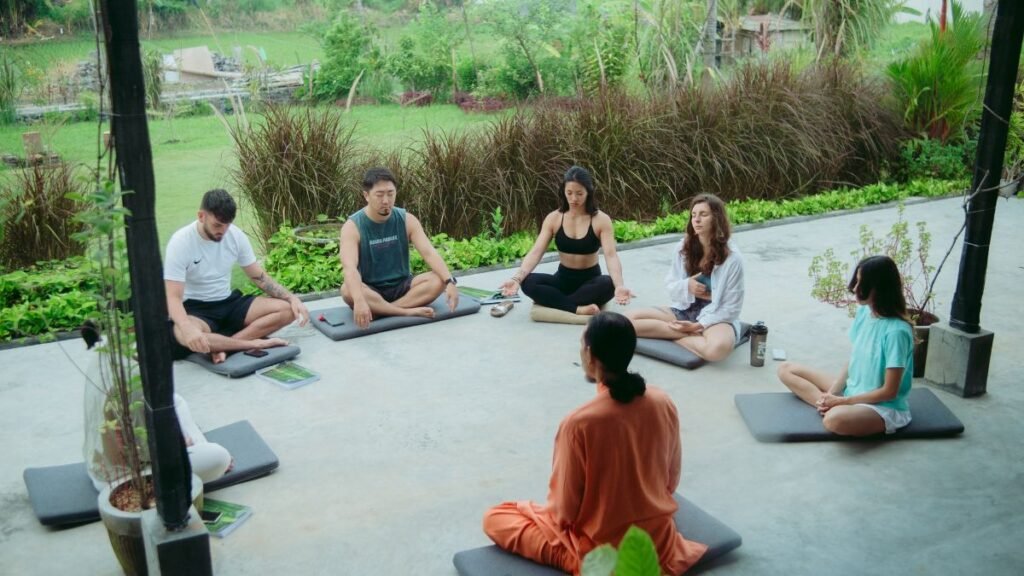
Yoga teaching has changed since 2020. Most teachers now use a mix of in-person and online work. Each option has strengths, but none works best on its own for long-term success.
In-person teaching builds depth, trust, and skill
Teaching in person helps you grow faster as a teacher. You can see how students move, breathe, and respond. You can adjust poses, offer support, and build real trust.
In-person classes are also where strong student relationships begin. Many private clients and long-term students come from face-to-face classes. This makes in-person teaching the best place to build skill and confidence.
The downside is that income is limited by time and space. You can only teach so many classes each week, and studios have fixed room sizes.
Online teaching supports scale and recurring revenue
Online teaching allows you to reach more people without being in the same room. Classes, videos, and programs can be watched by many students at once.
Online work supports recurring income through memberships and video libraries. Even a small group of subscribers can help cover basic monthly costs. This reduces pressure to teach too many physical classes.
Online teaching also has limits. New teachers often struggle to get noticed. Students can leave more easily, and connection is harder without real contact.
Best model: Local Depth, Global Reach
The most stable path in 2026 is a hybrid model.
Teachers build depth locally through in-person classes, privates, and workshops. At the same time, they build reach online through recorded content, programs, or live streams.
This model protects income and energy. Local teaching builds trust and skill. Online teaching adds scale and flexibility.
Some fitness apps now use AI tools to correct posture on screen. These tools can replace basic fitness yoga classes. They cannot replace empathy, touch, listening, and real human connection. Teachers who focus on these human skills stay valuable.
Career Risks (Burnout, Saturation, Liability)
Yoga teaching can be rewarding, but it also has real risks. Knowing them early helps teachers build longer and healthier careers.
Burnout and career longevity
Many teachers leave the profession within a few years. Physical strain is a big reason. Teaching many classes each week can stress joints, muscles, and the nervous system.
Emotional burnout also plays a role. Teachers often listen to student struggles without support or clear boundaries. This can drain energy over time.
Career longevity improves when teachers teach fewer classes, charge fair rates, and build rest into their schedules.
Oversupply from teacher training churn
Many studios earn money by running yoga teacher trainings. This creates a steady flow of new teachers. In busy cities, there are often more teachers than available classes.
When supply is high, wages drop. Studios know they can fill schedules easily. This pushes experienced teachers out and rewards low-cost labor.
Specialization helps break this cycle. Teachers who offer something specific compete on value, not price.
Liability and scope of practice
One of the biggest risks is saying the wrong thing. Yoga teachers should not give medical or mental health advice unless they are licensed to do so.
Avoid claims like curing illness, treating conditions, or replacing medical care. Use safe language and stay within your role as a yoga teacher.
Insurance is essential. Teachers should have both professional liability and general liability coverage. Policies should cover in-person classes, private sessions, and online teaching if you offer it.
Basic insurance usually costs a few hundred dollars per year. This is a small price compared to the risk of teaching without coverage.
Is Becoming a Yoga Teacher Worth It in 2026?
Yes, becoming a yoga teacher is worth it in 2026 if you treat it like a real career. Teachers who specialize, build skills, and use a clear business model can earn steady income and avoid burnout.
It is usually not worth it if you rely only on studio classes. Studio-only teaching often leads to low pay, unstable schedules, and physical strain. Many teachers leave the profession because they do not move beyond this stage.
Teachers who do best focus on value, not volume. They teach fewer classes, charge fair rates, and use more than one income stream.
Quick decision checklist
Yoga teaching may be right for you if:
- You are open to specializing instead of teaching only general classes
- You are willing to learn basic business and pricing skills
- You want flexibility and are comfortable building relationships
Yoga teaching may not be right for you if:
- You expect studio classes alone to provide full-time income
- You do not want to invest in further training
- You want a fixed salary with benefits from the start
Final Thoughts: The Real Future of Yoga Teaching
Yoga teaching in 2026 is no longer a one-size-fits-all career. The days of running between studios for low pay are fading. At the same time, new paths are opening in wellness, healthcare support, corporate programs, and online education.
The demand for yoga teachers is real. The challenge is where that demand lives and who it rewards. Teachers who adapt, specialize, and think long term can build stable and meaningful careers. Those who rely only on group classes often struggle.
Yoga teaching works best when it is treated as a profession. This means choosing the right training, learning how to price your work, and building income from more than one place. When done well, yoga teaching can support both a healthy life and a steady income.
What to Look for in a Yoga Teacher Training Program
Not all yoga teacher trainings prepare you for today’s job market. A strong program should help you teach safely, think clearly, and grow beyond basic studio classes.
When choosing a training, look for:
- Real teaching practice, not just theory
- Clear anatomy and alignment education
- Support for teaching after graduation
- Small group learning and feedback
- A certification that studios and insurers recognize
Programs that focus only on poses or fast certificates often leave teachers unprepared for real work.
Joga Yoga offers Yoga Alliance–recognized training with a strong focus on practical teaching skills, anatomy, and confidence in the classroom. The Bali setting allows students to fully focus on learning while building a deep personal practice. Graduates leave with the foundation needed to teach, grow, and later specialize if they choose.
FAQ: Yoga Teaching Careers in 2026
Are yoga teachers in demand right now?
Yes, yoga teachers are in demand right now. Demand is strongest in corporate wellness, private sessions, seniors yoga, and health-focused programs. General studio teaching is more competitive, especially in large cities.
Are yoga instructors in demand in 2026?
Yes, yoga instructors are expected to remain in demand in 2026. The market favors teachers who have clear skills, professional training, and a focused teaching path. Demand is higher for teachers who go beyond basic group classes.
How much do yoga teachers make per class?
Most studio yoga classes pay between $20 and $75 per class, depending on experience and location. Private sessions and corporate classes usually pay more per hour. Real income depends on how many paid hours a teacher works each week.
Can yoga teaching be a full-time job?
Yes, yoga teaching can be a full-time job. Most full-time teachers combine studio classes with private clients, workshops, retreats, or online income. Teaching only group classes rarely supports a full-time income long term.
Is Yoga Alliance certification required?
Yoga Alliance certification is not required by law, but many studios and insurance companies expect it. An RYT 200 is the most common entry-level requirement. Higher-paying roles often require further training or specialization.
How long does it take to become a yoga teacher?
Most 200-hour yoga teacher trainings take one to three months to complete. Becoming confident and well-paid usually takes longer. Many teachers spend one to three years building experience, skills, and a clear teaching focus.
Is yoga teaching a stable career?
Yoga teaching can be stable if it is treated as a profession. Teachers who specialize, price their work properly, and build multiple income streams have better long-term stability than those who rely only on studio classes.
What is the best yoga specialization for income?
Specializations with strong demand include corporate yoga, seniors yoga, yoga therapy, and trauma-informed programs. These areas have fewer teachers and higher pay compared to general studio teaching.
Should I choose online or in-person yoga teaching?
Most successful teachers use both. In-person teaching builds trust and skill. Online teaching adds flexibility and recurring income. A hybrid model offers the best balance for most teachers.