
What is Surya Namaskar in Yoga?
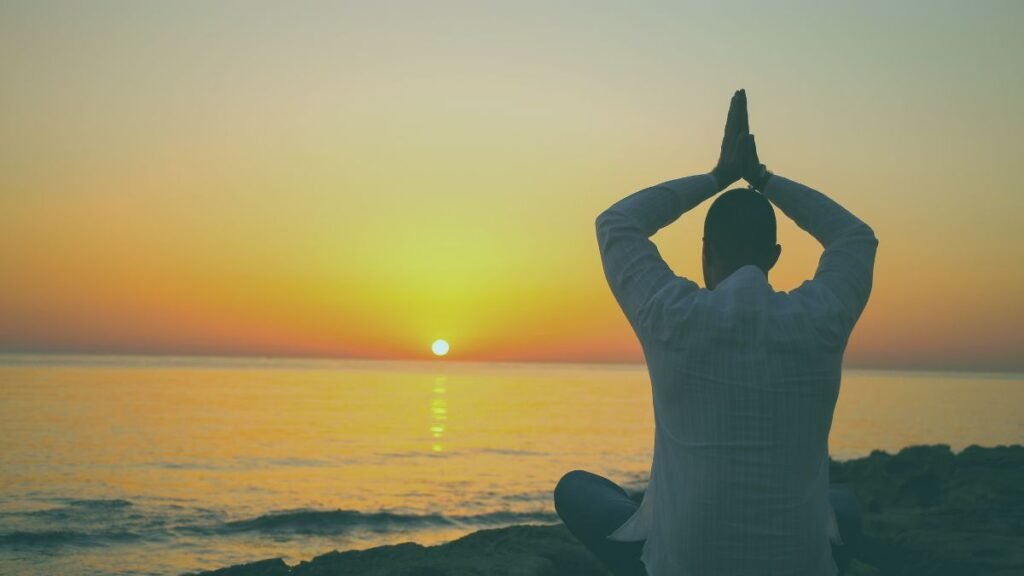
Surya Namaskar, also known as Sun Salutations, is one of the most practiced sequences in yoga. Its roots go back to ancient India, where the sun was honored as a source of light, warmth, and energy. Traditionally, yogis practiced Surya Namaskar at sunrise to greet the day and connect with nature’s rhythms. The flowing sequence became both a ritual of devotion and a complete practice for body and mind.
Meaning of Surya (the Sun) and Namaskar (Salutation)
The word Surya means “sun” and Namaskar means “salutation” or “honor.” Together, Surya Namaskar is a way of bowing to the sun, both as the giver of life and as a symbol of the light within. Each pose in the sequence is a gesture of respect, linking movement with breath to create harmony between the outer sun and inner awareness.
Why Sun Salutations Are Both Physical and Spiritual Practice
Sun Salutations are more than just exercise. Physically, they warm up the body, stretch the muscles, and prepare the mind for deeper practice. Spiritually, they are a moving meditation. Each breath and movement becomes a prayer of gratitude. This reflects the deeper truths of yoga philosophy, where practice is both a discipline and a way of connecting with higher consciousness.
Benefits of Surya Namaskar for Body, Mind, and Spirit
Physical Benefits of Sun Salutations
Surya Namaskar is a full-body workout that improves strength, flexibility, and balance. The sequence moves through forward folds, lunges, planks, and backbends, working every major muscle group. It boosts circulation, aids digestion, and increases energy. For those looking to build a solid foundation in movement, our Asana Yoga Guide explains how poses support both beginners and advanced practitioners.
Mental and Emotional Benefits
Beyond the body, Sun Salutations calm the mind and uplift the spirit. The steady rhythm of movement and breath reduces stress and helps focus thoughts. Regular practice can improve mood, build confidence, and release tension. For students seeking tools to manage anxiety and find calm, our guide on yoga for stress relief shares techniques that pair perfectly with Surya Namaskar.
Spiritual Benefits in Yogic Tradition
On a spiritual level, Surya Namaskar connects the practitioner to Surya, the sun, as the source of prana, or life force. Each round of Sun Salutations is an offering of gratitude, a way to honor both the universe and the energy within. The sequence is also a form of moving meditation, where awareness of breath and body becomes a path to inner clarity. Practices like pranayama deepen this connection by harmonizing solar and lunar energies, helping yogis align with balance and vitality.
Step-by-Step Guide to Surya Namaskar
The 12 Poses of Sun Salutations
Surya Namaskar is made up of 12 connected poses that flow with the breath. Each position has its own benefits, and together they create balance for the whole body.
- Prayer Pose (Pranamasana) – Stand tall with hands at the heart, grounding into the earth.
- Raised Arms Pose (Hastauttanasana) – Stretch arms overhead, opening the chest and reaching upward.
- Standing Forward Bend (Hasta Padasana) – Fold forward, hands toward the floor, stretching the spine and hamstrings.
- Equestrian Pose (Ashwa Sanchalanasana) – Step the right leg back, opening the hips and chest.
- Plank Pose (Phalakasana) – Step the left leg back, forming a strong line from head to heels.
- Eight-Point Pose (Ashtanga Namaskara) – Lower knees, chest, and chin to the mat, keeping the hips lifted.
- Cobra Pose (Bhujangasana) – Slide forward and lift the chest, opening the heart and spine.
- Downward Dog (Adho Mukha Svanasana) – Press hips up and back, forming an inverted “V.”
- Equestrian Pose (Ashwa Sanchalanasana) – Step the right foot forward, opening the hips again.
- Standing Forward Bend (Hasta Padasana) – Step the left foot forward, folding back into the stretch.
- Raised Arms Pose (Hastauttanasana) – Rise up, stretching arms overhead once more.
- Prayer Pose (Pranamasana) – Return to center, hands at heart, grounding in gratitude.
This sequence can be repeated as many times as desired, often starting with one round per side. If you are new to yoga, our Beginner Yoga Guide offers tips to help you build confidence with each posture.
Breathing with the Movements
The breath is the key to Surya Namaskar. Each pose matches an inhale or an exhale, creating a moving meditation. For example, lift arms up with an inhale, fold forward with an exhale, step back with an inhale, and so on. Breathing keeps the flow steady and helps energy move through the body. To learn how breath balances body and mind, explore our guide to Nadi Shodhana, a powerful practice for aligning solar and lunar energy.
Variations for Beginners and Advanced Yogis
Surya Namaskar can be adapted to fit every level.
- Beginners can bend knees in forward folds, drop knees in plank, or move slowly to build strength. A few rounds are enough to feel the benefits.
- Advanced yogis may add strength-building poses, hold positions longer, or flow quickly through several rounds for intensity. Some also add heart-opening poses to expand energy and deepen the practice.
The beauty of Surya Namaskar is its flexibility: whether gentle or powerful, the sequence always honors the sun and awakens prana.
Surya Namaskar and the Sacred Number 108
Many yogis choose to practice 108 rounds of Sun Salutations on special occasions, like the Summer Solstice or New Year. The number 108 is sacred in yoga and spirituality. It reflects the 108 energy channels (nadis) in the body, the 108 beads on a mala, and the connection between the earth, sun, and moon in cosmic cycles.
Completing 108 rounds is both a physical challenge and a spiritual offering. It represents discipline, devotion, and the intention to align with universal energy. For many practitioners, this ritual is a way to clear the mind, release old patterns, and begin a new chapter with gratitude and strength.
Common Mistakes to Avoid in Sun Salutations
Surya Namaskar is simple in flow, but many students make mistakes that reduce its benefits or even cause strain.
- Overarching the back: In backbends, avoid collapsing the lower spine. Engage the core and lift the chest instead of pushing only the lower back.
- Misaligned knees: In lunges and forward folds, knees often extend past the toes. Keep alignment steady to protect the joints.
- Rushing the breath: The sequence is about breath and movement together. Moving too fast breaks the rhythm and creates tension instead of calm.
Practicing with awareness prevents injury and builds a strong foundation. For detailed insights into safe posture and body alignment, check our Guide to Yoga Anatomy.
How to Integrate Sun Salutations Into Your Daily Practice
Morning Rituals for Energy
Starting the day with a few rounds of Surya Namaskar wakes up the body and mind. The gentle stretch and steady breath boost circulation, release stiffness, and prepare you for the day with energy and focus.
Evening Flows for Relaxation
In the evening, Sun Salutations can be slowed down into a calming flow. Moving with the breath helps release the tension of the day and prepares the body for rest. Depending on your energy, you can make the sequence gentle or strong. For more guidance, see our tips on morning vs evening yoga.
Using Surya Namaskar as Meditation
When repeated with mindful breath, Sun Salutations become a form of moving meditation. Each pose connects to the next in a rhythm that clears the mind and centers awareness. Many yogis use this as a daily practice of gratitude and grounding.
Learn Surya Namaskar with Joga Yoga in Bali
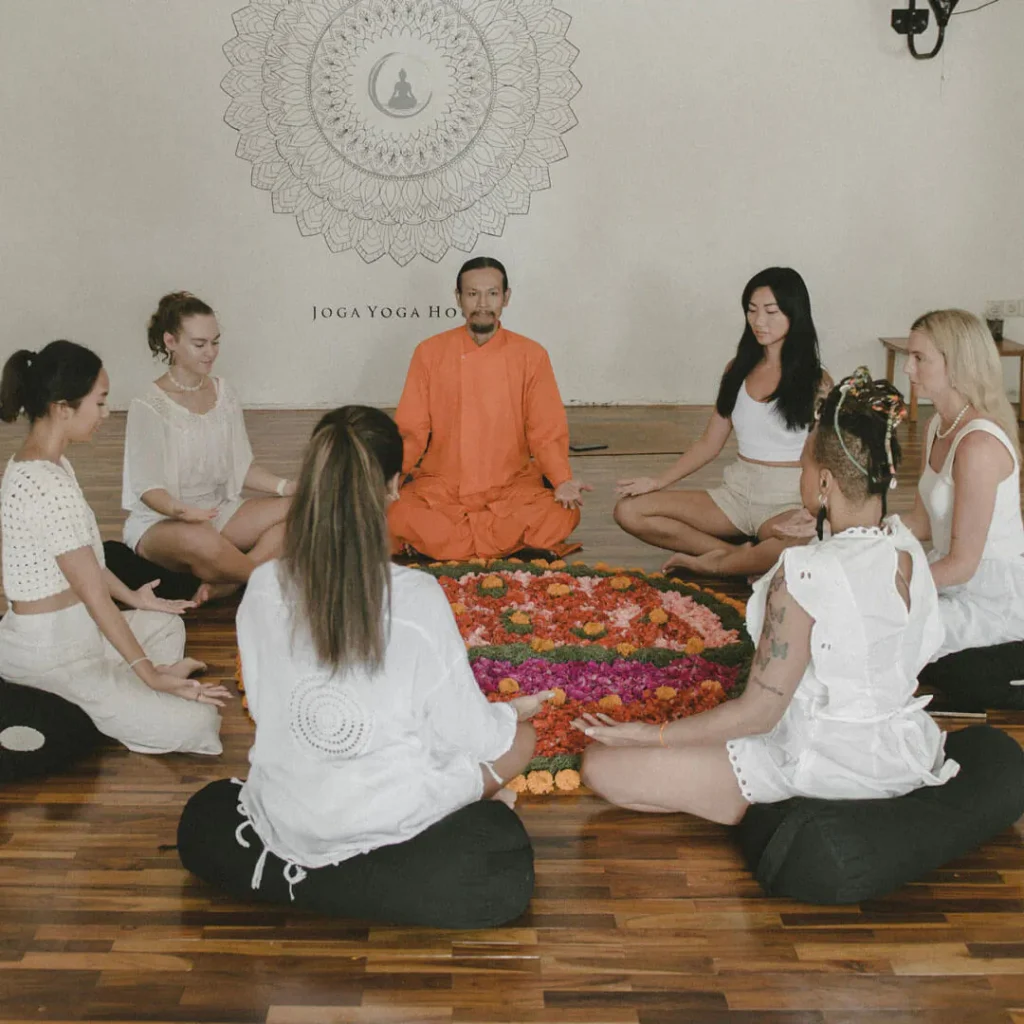
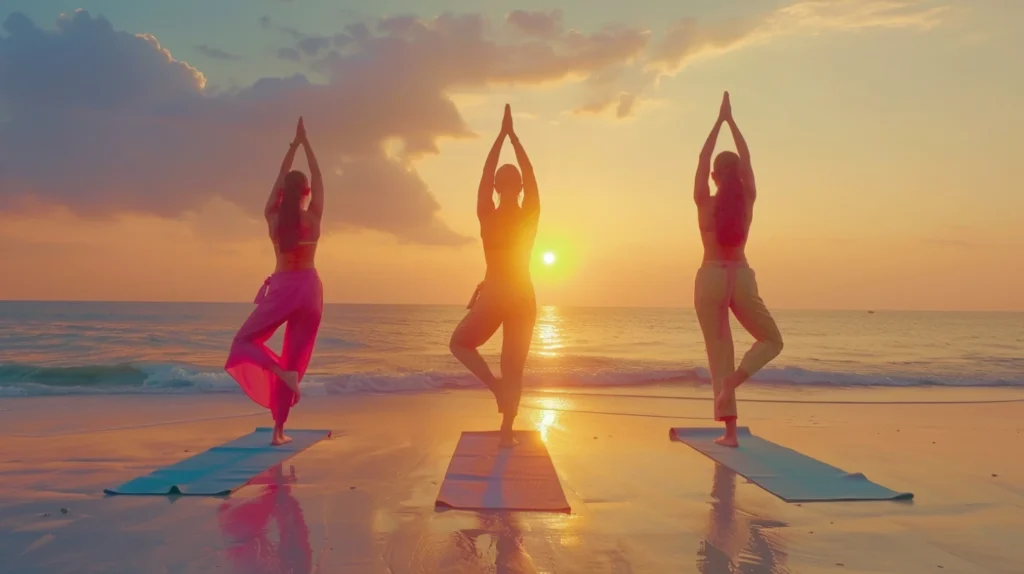
At Joga Yoga in Bali, Sun Salutations are more than a practice. They are a way of life. Each morning, students greet the rising sun with Surya Namaskar, connecting breath and movement with the natural beauty of the island.
In our Yoga Teacher Training in Bali, our experienced teachers guide you through practice, while Bali’s sacred culture adds rituals like sunrise sessions and temple visits to deepen your journey.
Whether you are beginning your yoga path or preparing to teach worldwide, Joga Yoga offers a transformative experience.
Ready to honor the light within? Register today and join us in Bali for your Surya Namaskar journey.
FAQ
Can beginners do Surya Namaskar?
Yes. Beginners can start with 2–4 slow rounds, focus on alignment, and gradually increase.
Is Surya Namaskar good for weight loss?
Yes. When practiced mindfully and in multiple rounds, it can help with calorie burn, toning muscles, and boosting metabolism.
How long does one round of Surya Namaskar take?
Roughly 2 to 3 minutes, depending on your pace and breath rhythm.
Can women practice Surya Namaskar during their periods?
Yes, but gently. During heavy bleeding or cramping, it’s best to reduce intensity or focus on restorative variations.
Are there variations of Surya Namaskar?
Yes. There are versions for beginners (with modified poses), and advanced variations with more strength, flow, or added heart-opening transitions.
What is the sacred meaning of 108 rounds?
The number 108 is sacred in yoga and spiritual traditions—it connects to the 108 energy channels (nadis), 108 beads on a mala, and cosmic cycles. Doing 108 Sun Salutations is a ritual of discipline, devotion, and alignment with universal energy.