
It is one of the most common questions before signing up: am I experienced enough for this? The short answer is probably yes. Here is the longer version.
Can beginners do yoga teacher training?
Yes. Beginners can do yoga teacher training. At Joga, the requirement is not an advanced practice — it is consistent practice. Around six months of regular yoga at roughly three times a week is the preparation baseline, and that is enough to start.
That distinction matters. The question is not whether you can hold a handstand or touch your toes. It is whether you have built enough body awareness and practice consistency to handle the pace of a 21-day immersive program. Six months of regular yoga gives your body and mind the foundation needed to absorb the training without spending the first week just recovering from the physical shock.
Yoga Alliance’s 200-hour RYT certification was designed to take people through foundational yoga education from first principles. The curriculum covers anatomy, philosophy, teaching methodology, and daily practice from the ground up. You are expected to arrive as a learner, not an expert. That is the whole point of the training.
Joga’s own position, taken directly from their FAQ, is clear: “Being a beginner is absolutely fine, all we ask is that you keep up your practice especially in the run up to the course.”
Find out what the full 200-hour yoga teacher training program covers, including styles, curriculum, and upcoming dates.
Do you need to be flexible or physically advanced?
No. Flexibility is not a requirement and is not what instructors assess. You do not need to do a handstand, a split, or any advanced posture to be accepted onto a 200-hour YTT. What matters is safe, consistent movement and a willingness to learn correct alignment.
This misconception stops more people from signing up than almost anything else. The physical practice in YTT is not about reaching the fullest expression of a pose. It is about understanding what is happening in the body during the pose so you can eventually teach it safely to others.
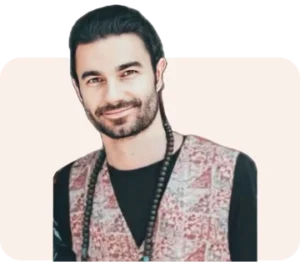
Nitish, who leads yoga anatomy at Joga, holds a Bachelor’s and a Master’s degree in Yoga Therapy and has been teaching with a primary focus on anatomy, precise alignments, and Hatha and Vinyasa for seven years. His specialty is helping practitioners of all levels understand how their bodies move, not how far they can stretch. The anatomy module covers how to modify poses for different body types and how to identify when a student needs an adjustment. That content is new to almost every student, regardless of experience level.
You also do not need to know Sanskrit before you start. Yoga Alliance’s curriculum standards include yoga philosophy and traditional texts as a core component, but schools teach these from the beginning, not as prerequisite knowledge.
What if you don’t want to become a yoga teacher?
You can still do YTT. Half of the students who complete Joga’s 200-hour program do it for personal growth and self-development, not to teach. That is not a minority use case — it is the majority reason people sign up.
The curriculum forces you to understand yoga at a level you will not get from attending regular classes. You learn the anatomy behind the postures, the philosophy behind the practice, the principles of sequencing, and how breath, movement, and meditation relate to each other. Most students who come in unsure about teaching leave with a fundamentally different relationship to their own practice regardless of whether they ever stand at the front of a room.
Beth James, a Paediatric Nurse from the United Kingdom who completed Joga’s program, described her experience this way: “My training with Joga Yoga exceeded my highest expectations. Learning from experts, within their differing fields of yoga and philosophy, with an intimate group in a stunning setting, created such joy, connection and growth for me on a mental, physical and spiritual level.”
You can read more accounts like Beth’s on the Joga graduate testimonials page.
How long should you practice before starting YTT?
Joga recommends at least six months of consistent practice before starting. In the month leading up to the training, they advise practicing at least three times a week. This is not about reaching a skill level — it is about building the physical and mental consistency the training demands.
Six months of regular yoga gives your body time to adapt. Students who arrive without this foundation tend to spend their first week managing physical fatigue rather than absorbing the content. The program runs ten to twelve hours a day across six days a week. That workload requires a body already familiar with the demands of regular practice.
The preparation does not need to be structured or advanced. Attending a local class three to four times a week, or following an online practice consistently, is enough. What matters is showing up regularly so your body and mind are used to the discipline before you arrive in Bali.
What is actually harder for beginners in YTT?
The physical practice is not where most beginners struggle. The anatomy module and the teaching practicum are harder for beginners — not because they require advanced yoga skills, but because they require absorbing new knowledge and communicating under mild pressure.
The anatomy module covers muscle groups, joint mechanics, and contraindications in real-time application. Students with a longer practice background sometimes have more body awareness to draw on. But the subject matter is new to almost everyone regardless of experience, and the learning curve evens out quickly.
The teaching practicum — usually starting in week two — is where the gap between beginners and experienced practitioners matters least. Standing up to cue a yoga class in front of your peers is uncomfortable for nearly everyone regardless of how long they have been on a mat. The skill being built is a teaching skill, not a yoga skill, and it starts from close to the same place for almost everyone.
The honest challenge for beginners is the pace. Intensive residential YTTs consistently produce a fatigue wall around days 8 to 14, when physical cumulation and information load both peak. The more consistent your practice is before you arrive, the less energy you spend adjusting to the physical volume and the more you can put toward the curriculum.
Is an intensive residential YTT in Bali right for beginners?
Yes. A residential Bali YTT removes the main reasons part-time training is harder for beginners…managing a job alongside study, commuting to classes, and context-switching between yoga training and normal daily life. The immersive format benefits beginners more than it disadvantages them.
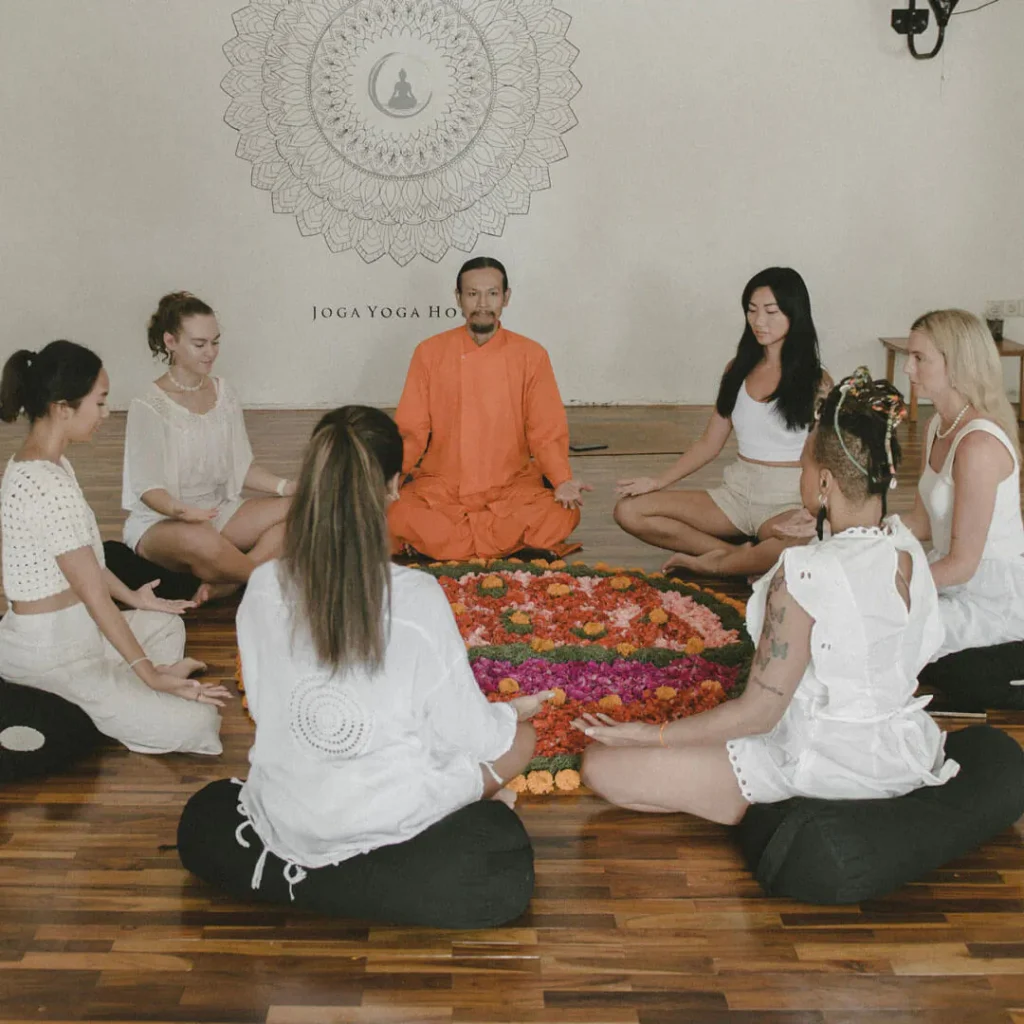
The concern beginners often raise is that the format is too intense. In practice, the opposite argument is more convincing. A part-time YTT spread over several months requires beginners to sustain motivation, consistency, and focus across a long period while managing everything else in their lives. Twenty-one days in Bali removes those variables. You wake up, practice yoga, study yoga, eat with your cohort, and sleep. The focus is built into the structure.
The Bali climate is worth preparing for specifically. Canggu is humid year-round, averaging 28 to 30 degrees Celsius. Morning practice in an open-sided shala is a different physical experience from an air-conditioned studio at home. Beginners should plan to sweat more than usual, drink significantly more water, and not underestimate the heat in the first few days. A quality water bottle is not optional.
Joga’s small class sizes and specialist teaching team are particularly relevant for beginners. With instructors who teach their specific subjects — anatomy, philosophy, breathwork, movement — at a specialist level, beginners get expert depth across every area rather than a generalist covering everything.
The full program details, schedule, and accommodation options are on the Joga 200-hour YTT page.
What beginners can expect from Joga’s 200-hour YTT in Bali
Joga’s official position on beginners: “Being a beginner is absolutely fine, all we ask is that you keep up your practice especially in the run up to the course. Generally we would expect 6 months of consistent training and we recommend you train at least 3 times a week a month before the YTT.”
Teaching styles covered: Traditional Hatha, Creative Vinyasa, Ashtanga Vinyasa, Yin Yoga
Curriculum:
- Asana fundamentals, alignment, and posture across all levels
- Anatomy and physiology including contraindications and modifications for different bodies
- Yoga philosophy and traditional texts including the Yoga Sutras of Patanjali and Bhagavad Gita
- Teaching methodology from demonstration through to correction and feedback
- Pranayama, breathwork, and meditation
- Ethics, yoga lifestyle, and the business aspects of teaching
- Small written exam and practical teaching assessments
- Post-graduation studio access at Joga for continued teaching practice
Included in the program: Daily vegetarian/vegan meals, airport pick-up, traditional Balinese massage, Bali excursion to a sacred water temple, and lifetime access to the online student portal.
Pricing (current discounted rates):
- Non-accommodation: €1,650
- With dorm room (22 nights): €1,799
- With standard private room (22 nights): €2,599
- Deposit to secure a spot: €260
Prices are subject to 5% VAT. Courses run monthly throughout the year. Check the registration page for current availability and upcoming dates.
The question of whether beginners can do yoga teacher training usually comes from someone who is already close to ready. Six months of consistent practice is a realistic minimum, not because the content is too advanced for newcomers, but because the pace requires a body and mind already familiar with showing up. If you have that foundation, the rest is built during the training. That is what the training is for.